Funding Options for Dental Implants in 2025
Explore funding options for dental implants in 2025, including affordability for seniors and full mouth solutions.
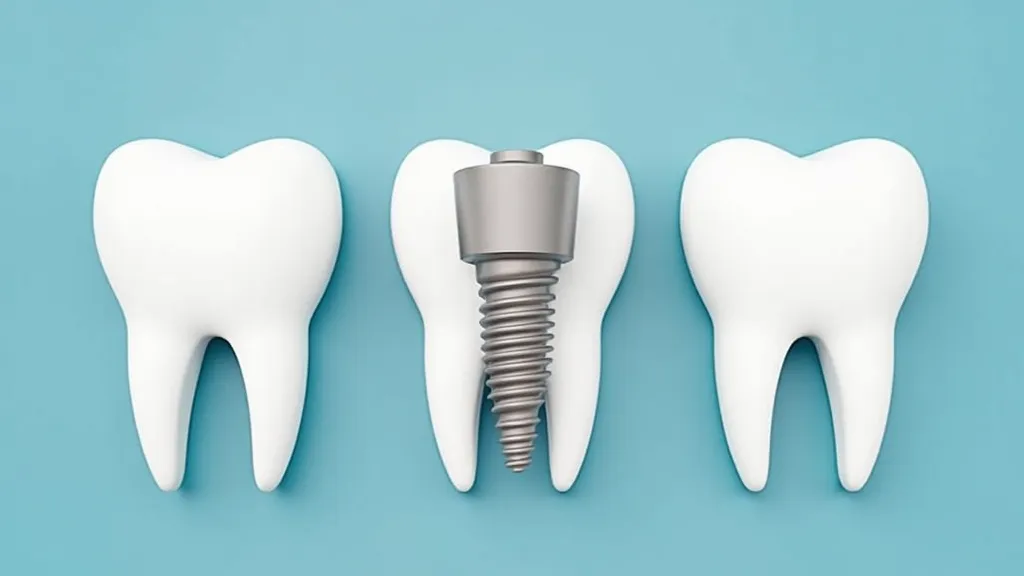
Overview of Dental Implants
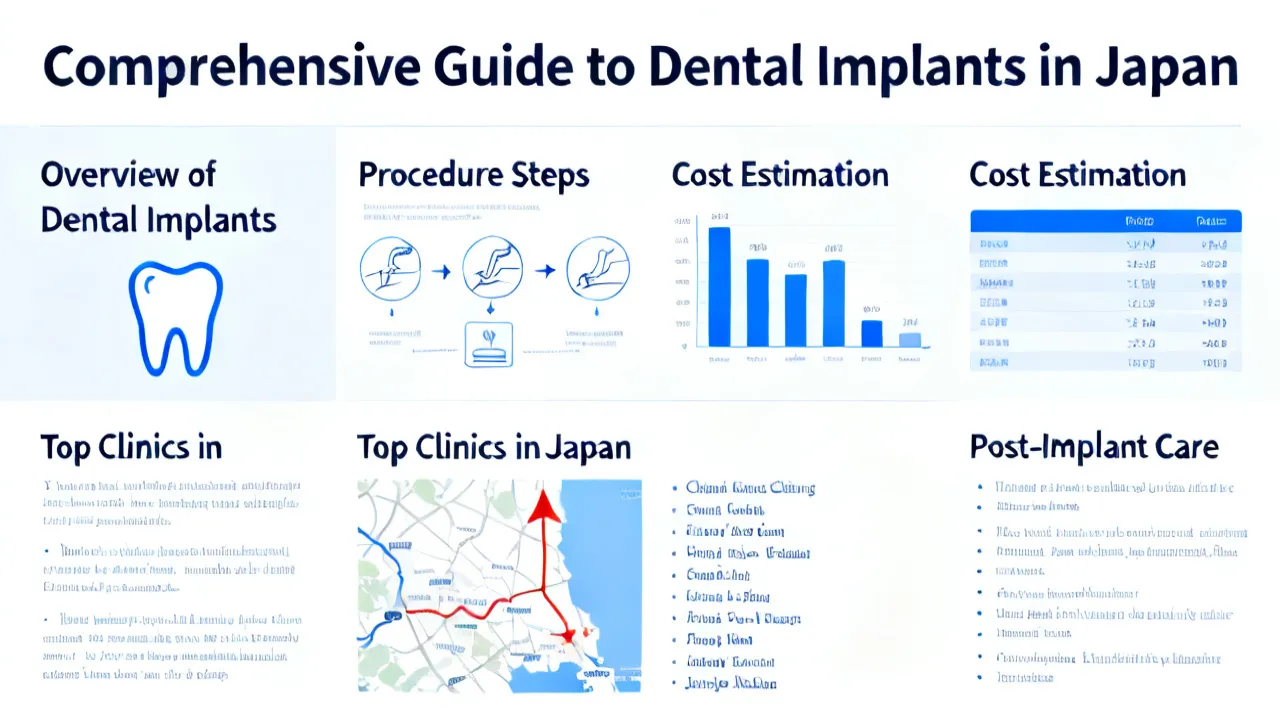
Dental implants have become a popular solution for those seeking to restore their smile and improve oral health. They are artificial tooth roots, usually made of titanium, that provide a good base for fixed or removable replacement teeth. The benefits of dental implants include durability, comfort, and a natural appearance. However, many potential patients wonder about the costs involved and the funding options available, especially in 2025.
Understanding Dental Implant Prices
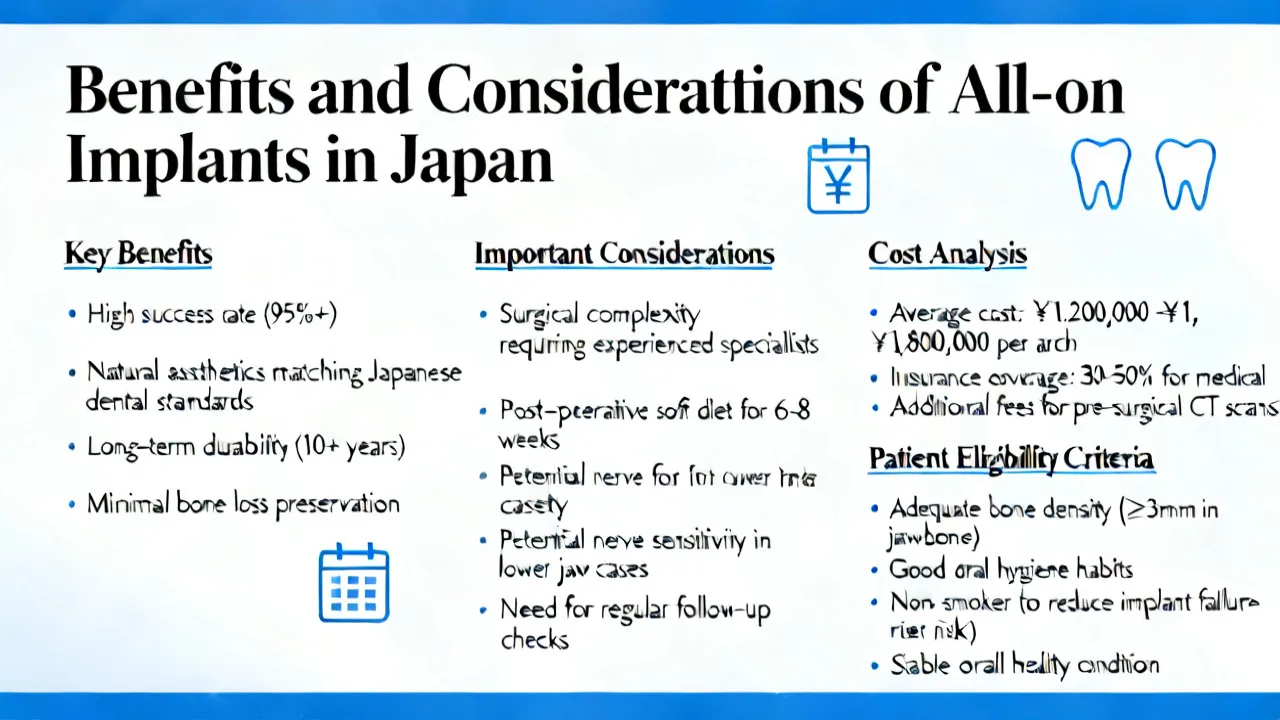
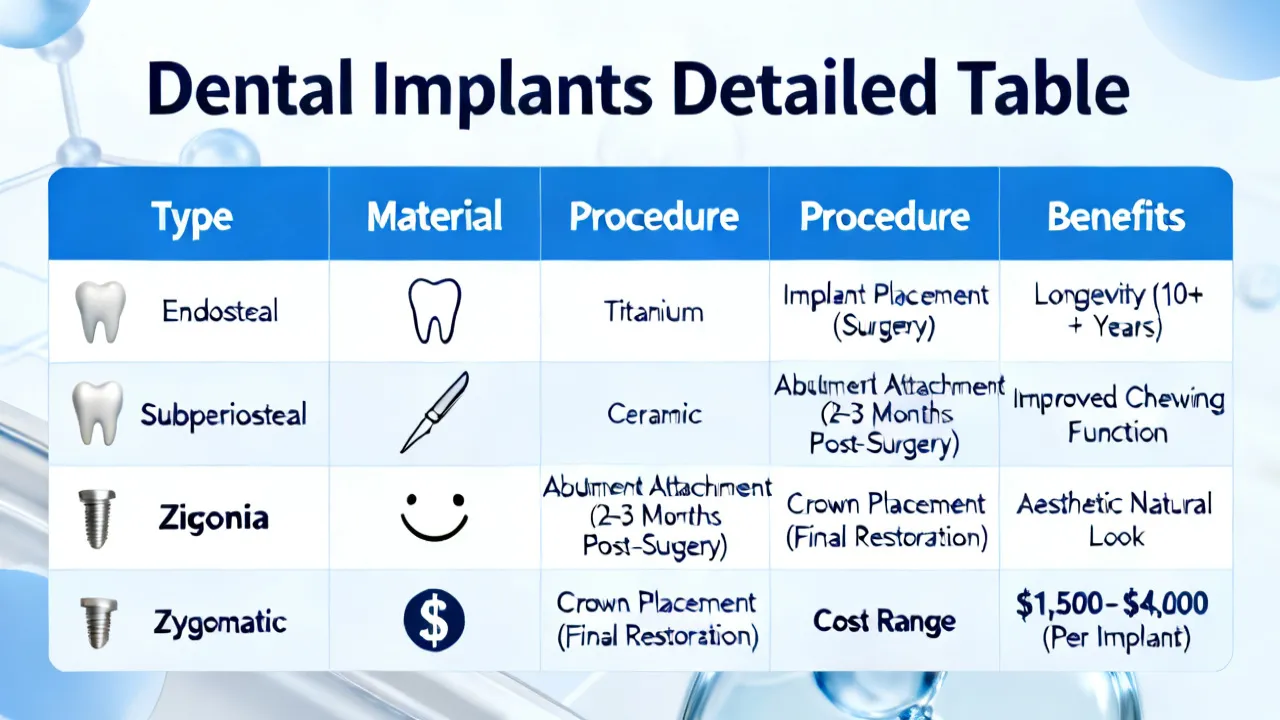
The price of dental implants can vary significantly based on several factors, including the type of implant, the complexity of the procedure, and the geographical location of the dental practice. On average, the cost of a single dental implant can range from $1,000 to $4,000. However, for those requiring multiple implants or full mouth dental implants, the total cost can escalate to $30,000 or more. It is crucial to obtain a detailed estimate from your dentist to understand the full scope of your potential expenses.
Funding for Dental Implants in 2025
As we enter 2025, funding for dental implants is a pressing concern for many. Fortunately, there are various options available to help cover the costs:
- Dental Insurance: Some dental insurance plans cover a portion of the cost of dental implants. It’s essential to check your policy to see what is included and whether there are any waiting periods or limitations.
- Health Savings Accounts (HSAs) and Flexible Spending Accounts (FSAs): If you have an HSA or FSA, you can use these funds to cover dental implant expenses, providing a tax-advantaged way to manage costs.
- Financing Plans: Many dental offices offer financing plans to help spread the cost of dental implants over time. This can make the procedure more manageable financially.
- Public sector Assistance Programs: Some public sector programs may offer assistance for dental care, particularly for seniors or low-income individuals. It's worth exploring local options.
- Charitable Organizations: Various nonprofit organizations provide assistance for dental procedures, including implants. Research local charities that may offer support.
Dental Implants for Seniors
Seniors looking for dental implants may face unique challenges, including higher costs and potential health issues. However, many dental practices specialize in serving the senior community. They often provide tailored financing options and may have partnerships with insurance companies that offer better coverage for older adults. Seniors should consult with their dentist to discuss the top options available for their specific needs.
Affordable Full Mouth Dental Implants
For those considering full mouth dental implants, affordability is a key concern. Full mouth implants can be significantly more expensive than single implants; however, there are ways to reduce costs:
- Dental Tourism: Some patients choose to travel to other countries for dental work, where costs may be significantly lower while still ensuring high-quality care.
- Implant-Supported Dentures: This option may provide a more affordable alternative to full dental implants while still offering improved stability and comfort.
- Promotions and Discounts: Many dental practices run promotions or offer discounts for new patients, which can help lower the overall cost.
FAQs About Dental Implants
1. What are the main factors that affect dental implant prices?
The main factors include the type of implant, the number of implants required, the dental practice’s location, and any additional procedures needed (such as bone grafting).
2. Are dental implants covered by insurance?
Some dental insurance plans may cover a portion of the cost, but coverage varies significantly. It’s essential to check your specific plan.
3. What financing options are available for dental implants?
Options include dental office financing, HSAs, FSAs, and third-party financing companies that specialize in dental procedures.
4. Can seniors get dental implants?
Yes, seniors can get dental implants, but they should consult with their dentist to evaluate their overall health and suitability for the procedure.
5. What are the risks associated with dental implants?
Potential risks include infection, nerve damage, and implant failure. Discuss these risks with your dentist to understand how they can be minimized.
References
1. American Academy of Implant Dentistry - www.aaid.com
2. Centers for Medicare & Medicaid Services - www.cms.gov
3. Dental Insurance Guide - www.dentalinsurance.com
Conclusion
As you consider your options for dental implants in 2025, remember that funding is available to help make this life-changing procedure more accessible. By exploring dental insurance, financing plans, and assistance programs, you can find a solution that works for you. Whether you are looking for dental implants near you or seeking affordable options for full mouth implants, it is essential to communicate openly with your dental provider about your needs and financial situation. This will ensure you receive the top care possible while managing costs effectively.
-
1

A Senior's Guide to Affordable Electric Cars
-
2
Maximizing Your Career: Competitive Pay, Flexible Hours, and Job Security
-
3
Affordable Internet for Seniors: Navigating Public Sector Programs
-
4
Navigating Breast Cancer: Understanding HER2-Positive Treatment Options
-
5
Affordable Electric Vehicles: Hyundai Ioniq Leading the Charge