Navigating Dental Implants Options Nearby
This comprehensive guide explores the intricacies of dental implants, elucidating their advantages and costs across different regions. DentalImplants.com serves as a cornerstone for understanding the variety of implant options available, enhancements in oral health, and affordability strategies, ensuring informed decisions for those pursuing dental enhancements globally.
Understanding Dental Implants: A Closer Look
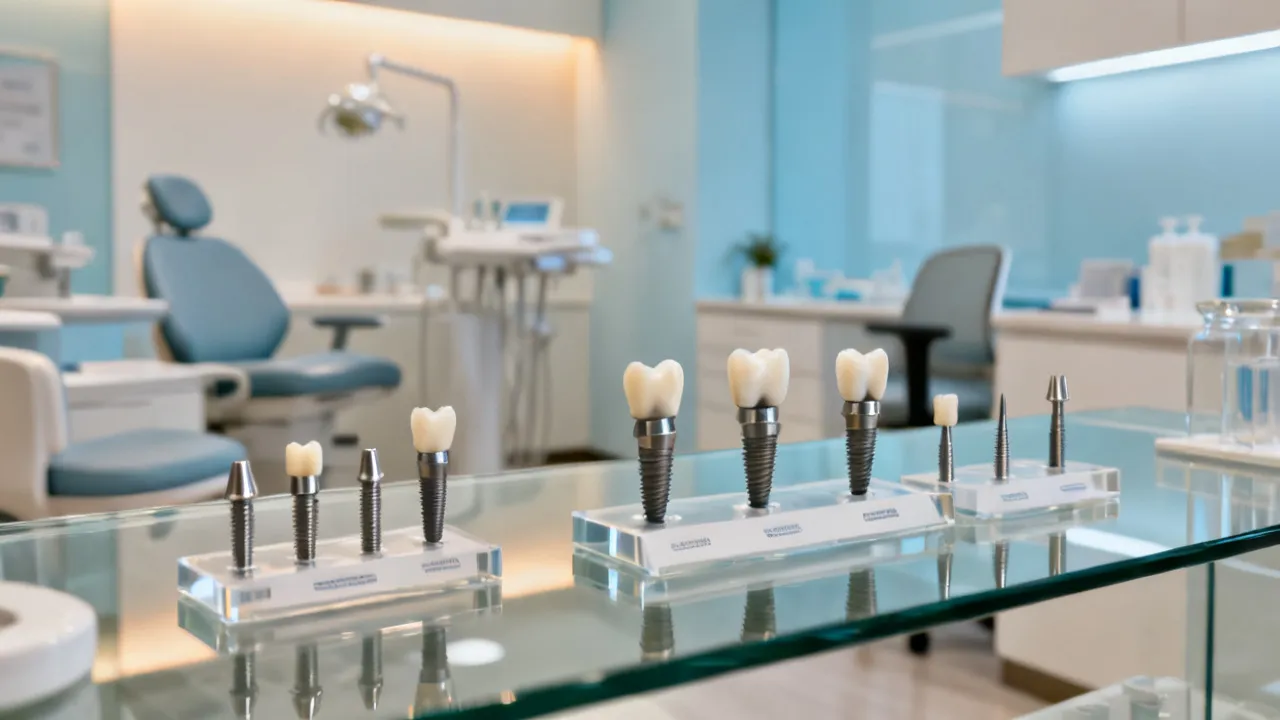
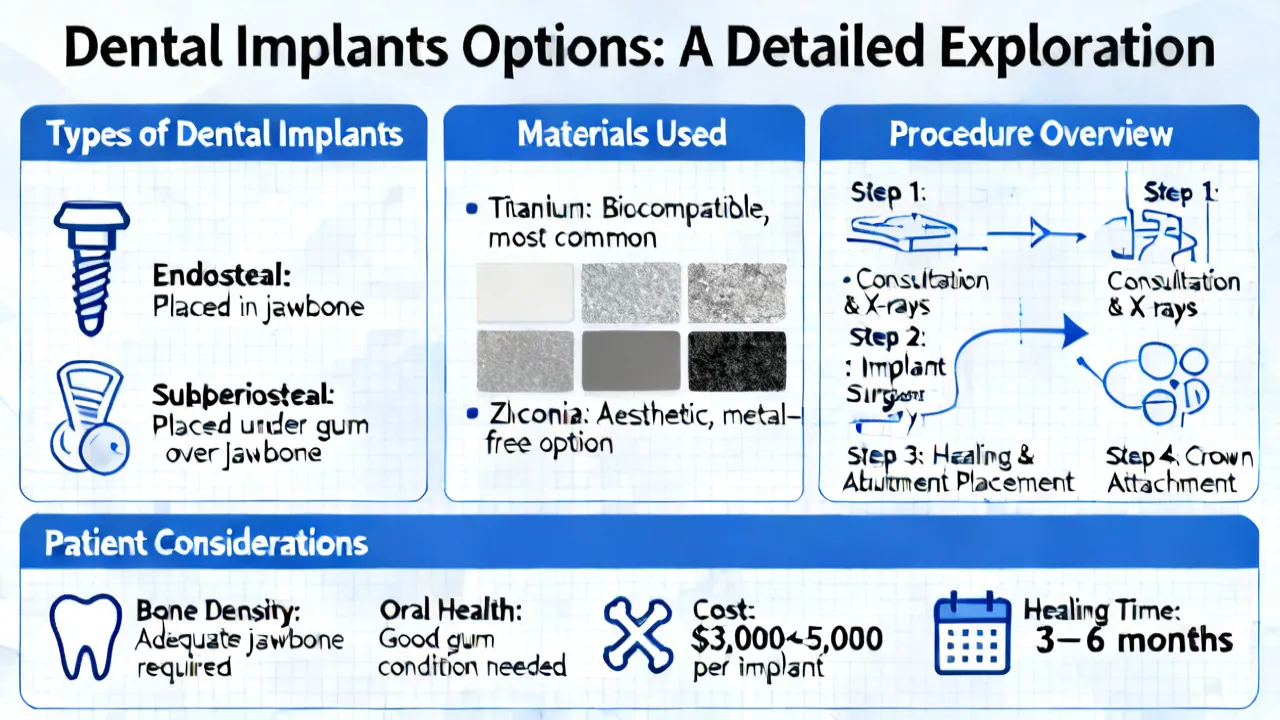
Dental implants have revolutionized the landscape of oral health care, offering a good solution for individuals seeking to replace missing teeth. As a staple in restorative dentistry, implants provide a foundation for fixed or removable replacement teeth, crafted to blend seamlessly with natural dentition. The procedure typically involves a surgical component whereby a titanium post is embedded into the jawbone, serving as an artificial root that supports the prosthetic tooth. This innovative approach not only restores functionality for activities such as chewing and speaking but also enhances aesthetic appeal, allowing patients to regain their confidence and smile without hesitation.
The history of dental implants is quite extensive, with evidence of early forms of tooth replacement dating back to ancient civilizations. Archaeological findings suggest that ancient Egyptians used crude materials to replace missing teeth, while the Mayans crafted dental implants from seashells and other natural resources. However, it was not until the mid-20th century that modern dental implants, particularly those made of titanium, gained popularity due to their higher biocompatibility, long lifespan, and effectiveness. Today, dental implants are seen as the gold standard in tooth replacement, outperforming traditional methods in both functionality and aesthetics.
Importance of DentalImplants.com as a Resource
Dentalimplants.com emerges as an essential portal for individuals seeking nuanced information regarding dental implants. It facilitates a comprehensive understanding of available options, procedures, and costs, serving as an invaluable guide for patients and professionals alike. This platform underscores the importance of informed decision-making in dental treatments, promoting enhanced patient outcomes through education.
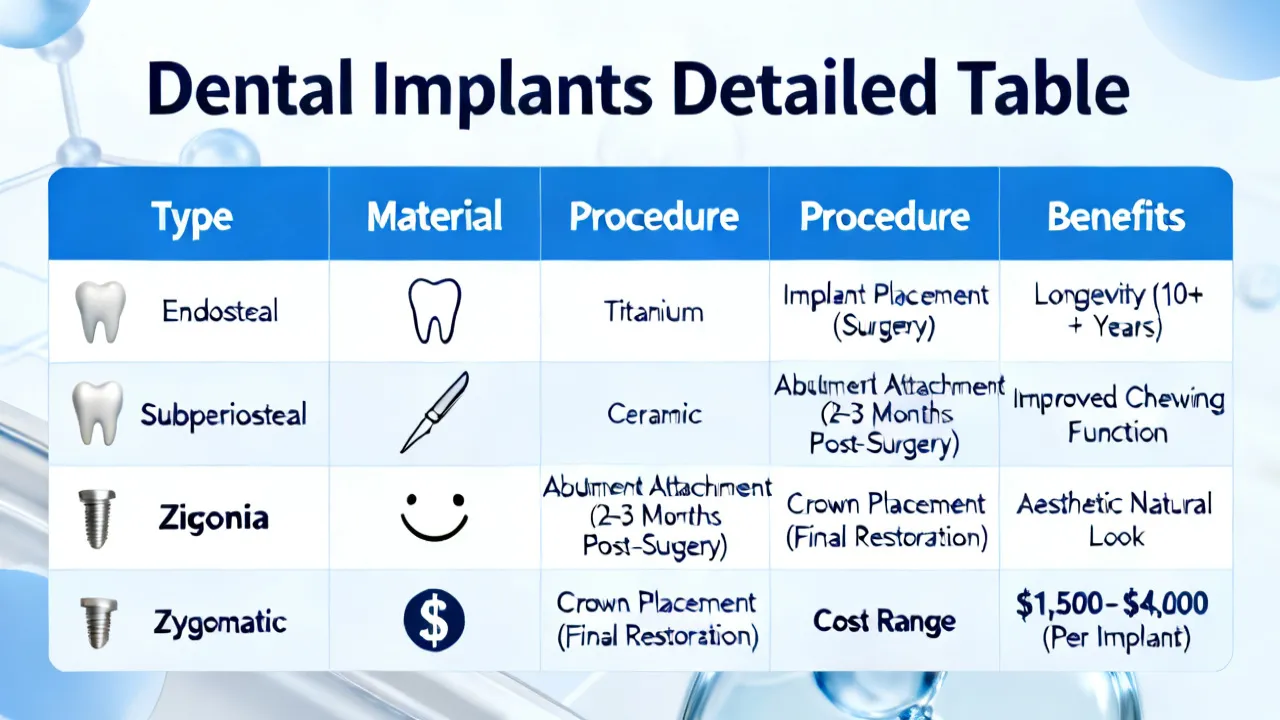
The website provides detailed descriptions of various implant types, including endosteal implants, subperiosteal implants, and zygomatic implants, as well as information on advancements in technology, such as computer-aided implant surgery and 3D imaging techniques. Furthermore, it includes testimonials and reviews from patients who have undergone the procedure, offering real-world insights into the experiences of others and aiding prospective patients in what they might expect.
Moreover, dentalimplants.com hosts forums where patients can ask questions, share their experiences, and connect with others who have similar concerns. This sense of community support can be incredibly comforting for individuals facing the potential challenges of dental implant surgery.
Benefit and Cost Analysis: Key Considerations
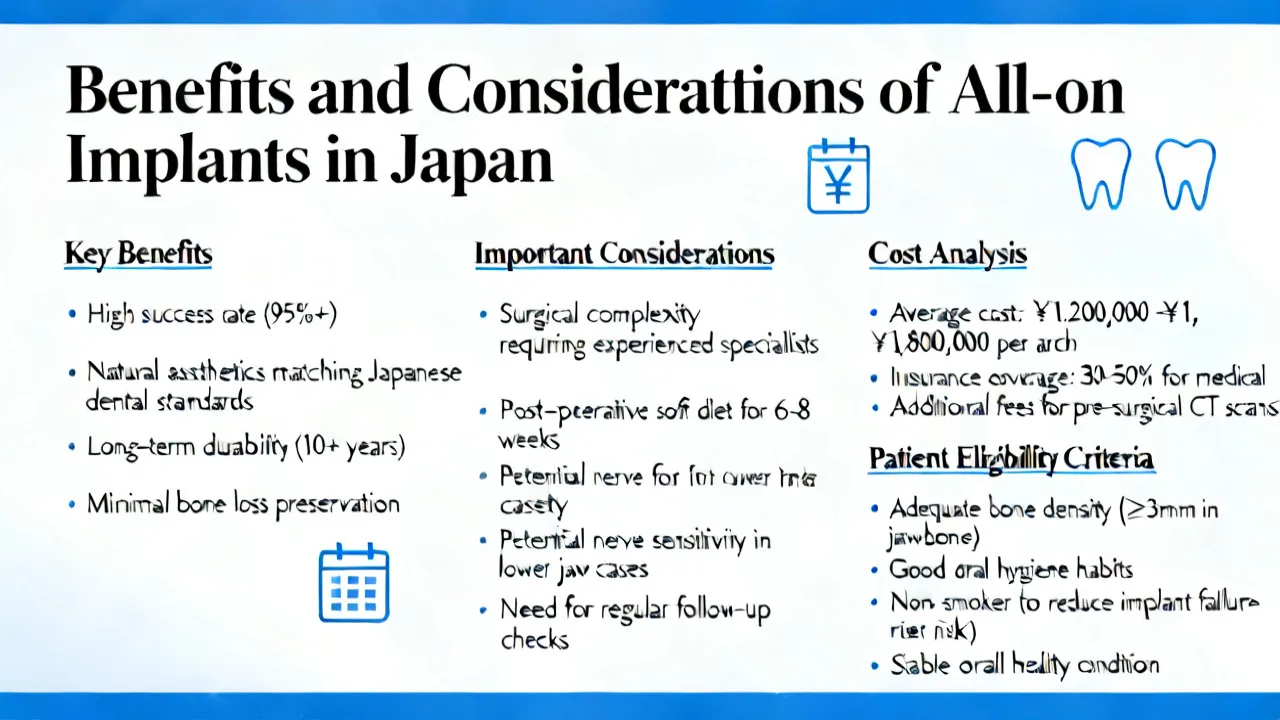
The decision to embark on the dental implant journey is underscored by several significant benefits. Implants offer improved oral functionality, aesthetic appeal, and durability, often lasting a lifetime with proper care. They help prevent jawbone deterioration by stimulating bone growth, mimicking the root structure of natural teeth. Unlike dentures or bridges, which can lead to further dental issues over time, implants are biologically integrated into the jawbone, promoting a healthier oral environment.
Another advantage is the convenience factor; implants eliminate the need for messy adhesives often used for dentures, allowing patients to enjoy their favorite foods without worry. Additionally, dental implants do not require altering adjacent teeth as bridges do, thus preserving more of the natural tooth structure. Aesthetic considerations are also paramount; implants can be designed to match the shape, color, and size of existing teeth, creating a natural appearance that can significantly boost a patient’s self-esteem.
However, the costs associated with dental implants can be a major factor influencing patient decisions. The price of implants varies based on numerous factors including geographical location, the complexity of the case, and the specificities of the dental practitioner involved. Typically, initial treatments can run high; however, many patients find that over time, the longevity and lack of additional treatments required make implants a cost-effective solution.
Comparative Overview of Low-Cost Dental Implant Providers
Below is a comparison of several online resources providing information and assistance in obtaining low-cost dental implants in English-speaking countries. These platforms aim to make dental care both accessible and affordable, highlighting the diverse range of options available:
| Website | Key Focus |
|---|---|
| Dental Views | Offers low-cost dental implant solutions with detailed cost and process information. |
| Atlantic Dental Group | Provides a comprehensive range of dental services including implants. |
| DentaVacation | Facilitates dental tourism for cost-effective procedures abroad. |
Source: Dental Views, Atlantic Dental Group, DentaVacation
Navigating Low-Cost Options in Different Regions
For those looking to minimize expenses, exploring dental tourism or seeking clinics that focus on affordability can be advantageous. Clinics in countries like Mexico and Colombia boast competitive pricing due to lower operational costs. Opting for treatment in these regions often involves factoring in travel but can result in significant savings. It's essential to conduct thorough research on the clinic's credentials, as well as patient reviews and success stories, to ensure quality care.
Many dental tourism companies assist patients in planning their trips by providing services such as airport transfers, accommodation arrangements, and translations, making the process accessible. Such organizations often partner with reputable local dental clinics to ensure standards align with those in the home country. This option is particularly appealing to patients who are not only seeking to save money but are also open to the experience of traveling to a new country.
Additionally, some affluent dental clinics are increasingly adopting a pricing model that accommodates patients from diverse economic backgrounds, offering tiered services. By aligning with local insurance providers or establishing payment plans, dental clinics can make implants accessible to more clients, breaking down financial barriers that often inhibit necessary treatments.
Cost Ranges for Dental Implants in Various Countries
English-speaking countries
- United States (US): $3,000 - $6,000 USD
- United Kingdom (GB): £2,000 - £2,500 GBP
- Australia (AU): AU$3,500 - AU$6,500 AUD
- Canada (CA): CA$3,000 - CA$5,500 CAD
Spanish-speaking countries
- Spain (ES): €1,500 - €2,500 EUR
- Chile (CL): CLP$800,000 - CLP$1,500,000 CLP
- Mexico (MX): $15,000 - $25,000 MXN
- Colombia (CO): $2,000,000 - $4,000,000 COP
- Peru (PE): S/ 3,000 - S/ 6,000 PEN
- Argentina (AR): $80,000 - $150,000 ARS
Portuguese-speaking countries
- Brazil (BR): R$3,000 - R$8,000 BRL
- Portugal (PT): €1,000 - €2,000 EUR
FAQs and Considerations
Q: How do dental implants improve oral health?
A: Dental implants function similarly to natural teeth, preventing bone loss and maintaining facial structure. By replacing missing teeth, they prevent adjacent teeth from shifting and thus help maintain overall dental alignment.
Q: Are dental implants safe for everyone?
A: While dental implants are generally safe, patients must undergo a thorough evaluation to determine bone density and overall health. Factors such as chronic diseases, smoking habits, and oral hygiene can affect candidacy and long-term success rates of the implants.
Q: Can I get dental implants on a budget?
A: Yes, by exploring clinics with lower operational costs or considering dental tourism. Additionally, various financing options may be available through dental practices, which can help make the upfront costs more manageable.
Q: What is the recovery time after receiving dental implants?
A: Recovery time varies by individual and the extent of the procedure, but typically, the initial healing period can take a few days to weeks, with complete integration of the implant into the jawbone potentially taking several months.
Q: What care is required after getting dental implants?
A: Ongoing care is similar to that of natural teeth, including regular brushing, flossing, and dental check-ups. It is crucial to maintain good oral hygiene to maximize the longevity and health of the implants.
Conclusion: Making Informed Choices
The journey to acquiring dental implants is transformative, significantly enhancing quality of life. Utilizing resources like DentalImplants.com and exploring cost-effective avenues ensures that patients can make informed choices regarding their oral health. By understanding the financial and procedural aspects, individuals are empowered to make decisions that top align with their needs and circumstances.
Understanding the options available, along with their respective advantages and drawbacks, allows patients to engage actively in their treatment decisions rather than being passive recipients of care. With thorough research and proper consultation, patients can regain their oral function and aesthetics safely and effectively. Investing in dental implants is not merely about aesthetics; it is about investing in one’s health and well-being for the future.
Disclaimer
1. The above information comes from online resources, and the data is as of October 2023.
2. Dental implant prices are for reference only and may vary by region, clinic, and doctor.
References
The Future of Dental Implants: Trends and Innovations
As dental technology continues to evolve, the field of dental implants is experiencing groundbreaking advancements that promise to enhance efficacy, reduce recovery time, and make the procedure even safer. Leading innovations include the development of mini implants for patients with inadequate bone structure and new materials, such as ceramics, that mimic the natural properties of teeth more closely.
Advanced imaging techniques have also significantly improved treatment planning. With the use of Cone Beam Computed Tomography (CBCT), dentists can achieve 3D imaging that allows for precise evaluations of the jawbone and surrounding structures. Such high-resolution imaging enables better localization of implants, minimizing the risks associated with surgery.
Exploring Biological and Technological Integration
Beyond new imaging strategies, the future may see the integration of biological materials and stem cell research into the field of dental implants. Ongoing studies suggest that the use of growth factors can promote faster healing and improve bone integration. Future implants might even involve bioactive coatings that can enhance osseointegration, the process wherein the bone attaches to the surface of the implant, leading to enhanced stability and increased longevity.
Moreover, dental implants may also benefit from the evolution of computer-guided surgery systems. These systems utilize computer algorithms to determine the most optimal angle and depth for implant placement, which can vastly improve the accuracy of the surgery and reduce the number of follow-up procedures, thus minimizing patient discomfort.
Patient-Centric Care and Customization
The trend towards more personalized patient care cannot be overlooked either. As dentists and oral surgeons gain access to more sophisticated materials and tools, they can tailor treatment plans that cater to individual patient needs. Custom abutments, for instance, can be designed using CAD/CAM technology to ensure a perfect fit and a more aesthetic outcome.
This customized approach extends to the whole patient experience, where practices are increasingly attentive to the psychological aspects of getting implants. For many patients, losing a tooth can have emotional repercussions that are often overlooked. The focus is now not just on the surgical aspect but also on mental preparedness and emotional support, paving the way for a comprehensive dental care journey that encompasses physical and emotional well-being.
Advanced Protocols for Immediate Dental Implants
Immediate loading protocols are also an exciting area in the field of dental implants. Traditionally, patients had to wait several months after their implant surgery before a crown could be placed. However, advances in implant design and surgical techniques have enabled certain cases to have immediate loading implants, where the crown is placed on the same day as the implant surgery. This approach significantly enhances patient satisfaction by reducing the overall treatment timeline.
Clinical studies have indicated that immediate loading can yield successful outcomes in the right candidates, particularly in cases where immediate placement is possible without compromising the integrity of the implant. Well-planned immediate protocols can foster a more straightforward treatment course and can be particularly beneficial for patients with existing aesthetic concerns about their smile.
Embracing Education and Training
A vital aspect that continues to shape the future of dental implants is the commitment to ongoing education and training for dental professionals. As new techniques and technologies emerge, it is crucial for practitioners to stay informed and continuously refine their skills. Professional organizations and institutions now offer comprehensive training programs and certifications that focus on the latest advancements in implant dentistry.
By embracing educational opportunities, dental practitioners can hone their expertise and integrate emerging innovations into their practice effectively, ultimately leading to improved patient outcomes. Peer-reviewed studies, seminars, and workshops allow dentists to share insights and best practices, fostering an environment of collaborative learning in the field of dental implants.
Summation: The Journey toward Advanced Dental Implant Care
The journey to acquiring dental implants, enriched with advancements and support systems, becomes less daunting as patients and practitioners can navigate the intricacies together. Understanding the latest trends, service models, and innovations will allow both parties to make the best decisions regarding dental care.
By exploring all available resources, from foundational knowledge to the latest technologies, patients can engage fully in their treatment processes, ensuring that they not only receive high-quality replacements for missing teeth but also experience complete oral health restoration that contributes positively to their quality of life.
Final Thoughts on Dental Implants
In conclusion, dental implants represent a remarkable fusion of technology, biology, and humanitarian dental care that aims to enhance the life quality of those faced with tooth loss. As new trends emerge and solutions develop, patients can feel confident that continued research and advancement in this field will provide even better outcomes. With educational resources, comparative cost analyses, and commitment to high standards in dental practice, individuals can proceed with informed choices regarding dental implants that will serve them well into the future.
The evolution of dental care concerning implants captures the dynamic interplay between innovation and patient-centered practice and underscores the growing importance of both technology and empathy in the health care journey.
References - Expanded View
- Dental Views
- Atlantic Dental Group
- DentaVacation
- DentalImplants.com
- The Journal of Oral Implantology
- American Academy of Implant Dentistry, Data and Publications
- Clinical Implant Dentistry and Related Research, Volume 22
- Global Journal of Medical Research: Dentistry and Otolaryngology
-
1

A Senior's Guide to Affordable Electric Cars
-
2
Maximizing Your Career: Competitive Pay, Flexible Hours, and Job Security
-
3
Affordable Internet for Seniors: Navigating Public Sector Programs
-
4
Navigating Breast Cancer: Understanding HER2-Positive Treatment Options
-
5
Affordable Electric Vehicles: Hyundai Ioniq Leading the Charge