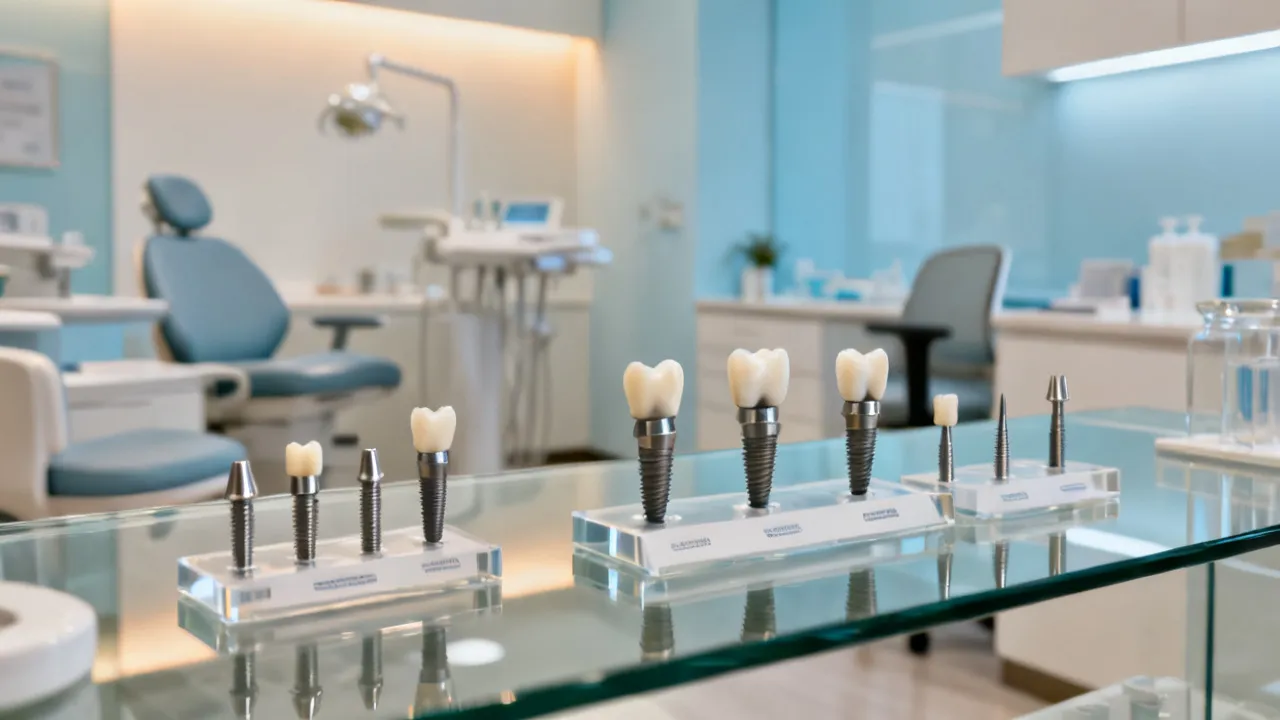
The Economics of Dental Implants
This comprehensive guide delves into the financial aspects of dental implants, analyzing costs across various regions and the availability of low-cost options. DentalImplants.com is crucial for anyone seeking information on dental procedures, highlighting affordability and technological advancements. The article explores the diverse range of solutions offered by clinics worldwide, underscoring the global trend towards accessible dental care.
Understanding Dental Implants
Dental implants offer a good solution for replacing missing teeth, providing aesthetic and functional benefits. These implants consist of artificial roots made of titanium or other biocompatible materials embedded into the jawbone, onto which replacement teeth are attached. Over recent decades, they have become increasingly popular due to their durability, appearance, and the improved quality of life they provide for patients. In addition to aesthetics and function, dental implants also promote bone health by stimulating the jawbone, which helps prevent further bone loss that can occur with missing teeth.
Dental implants are particularly advantageous because they are designed to mimic the natural tooth structure. The implant process typically involves multiple stages, beginning with an evaluation, followed by surgical placement of the implant and a healing period. After this, an abutment (a connector piece) is attached, and finally, a custom-made crown is mounted on top of the implant, restoring both function and appearance. This meticulous procedure allows for a highly personalized outcome that not only enhances a patient’s smile but also helps improve their confidence and overall quality of life.
The Cost of Dental Implants in Different Regions
The cost of dental implants varies significantly across the globe. In English-speaking countries such as the United States and the United Kingdom, implant costs can range from $3,000 to $6,500 USD and £2,000 to £2,500 GBP, respectively. Other factors influencing costs include the complexity of the procedure, the experience of the dentist, and the geographic location of the dental office. For instance, urban areas tend to have higher charges than rural locations.
In contrast, Spanish-speaking countries like Mexico offer more affordable options, with prices ranging from $15,000 to $25,000 MXN. This price differential has made dental tourism a popular choice for many individuals seeking high-quality dental care without straining their budget. Patients traveling to countries with lower dental procedures can save a significant amount, even after factoring in travel and accommodation costs. However, it’s essential for prospective dental tourists to research and choose reputable clinics to ensure quality care.
| Country | Currency | Price Range |
|---|---|---|
| United States (US) | USD | 3,000 - 6,000 |
| United Kingdom (GB) | GBP | 2,000 - 2,500 |
| Australia (AU) | AUD | 3,500 - 6,500 |
| Canada (CA) | CAD | 3,000 - 5,500 |
| Mexico (MX) | MXN | 15,000 - 25,000 |
| Thailand (TH) | THB | 60,000 - 90,000 |
| Costa Rica (CR) | CRC | 360,000 - 600,000 |
| Spain (ES) | EUR | 1,500 - 2,500 |
Factors Influencing the Cost of Dental Implants
Several factors can influence the overall cost of dental implants. Understanding these can help patients make more informed decisions. Some of these factors include:
- Location: As mentioned earlier, the geographical location can dramatically impact the price. Urban areas, particularly in developed countries, often feature higher costs due to the higher cost of living and operational costs of dental practices.
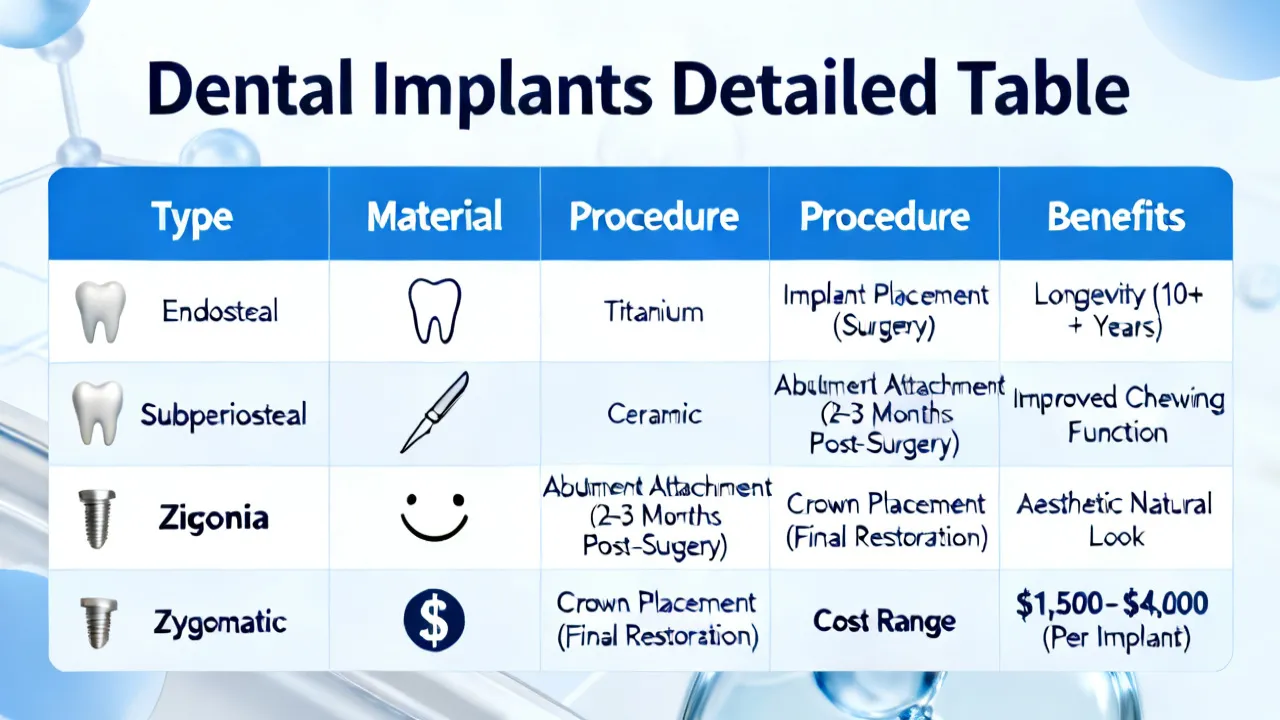
- Type of Implant: There are various types of dental implants, including endosteal implants (the most common type) and subperiosteal implants, which may require different materials and techniques, impacting pricing.
- Condition of Jawbone: Patients with inadequate jawbone density may require additional procedures such as bone grafting before implants can be placed, which increases overall costs.
- Number of Implants: The number of implants needed directly correlates with the total price. Single implants are less costly than the placement of multiple implants.
- Additional Procedures: Other necessary dental work, such as sinus lifts, gum treatments, or extractions, may add to total expenses. It's essential to discuss all necessary treatments with your dentist to get a comprehensive estimate.
- Aftercare: Post-procedure care and follow-up treatments are crucial for the success of implants. Some clinics may include the cost of follow-up visits in their initial estimates, while others may charge additionally.
Affordable Dental Implant Solutions
For individuals seeking low-cost dental implant solutions, options abound. Websites like Dental Views provide comprehensive insights into affordable dental care, emphasizing the benefits and procedural nuances of dental implants. Patients can explore various treatment types and plan financially for their dental procedures. Some strategies to find affordable dental implants include:
- Utilize Dental Plans: Many dental insurance plans cover a portion of implant costs, so it’s beneficial to understand your insurance coverage. Check with your provider to see if dental implants are included.
- Explore Flexible Payment Plans: Some clinics offer financing options or payment plans, allowing patients to pay in installments instead of a lumpsum, making procedures more affordable.
- Research Discounts: Look for promotions and discounts that dental clinics may offer. Special deals during certain times of the year can significantly reduce the costs.
| Website | Features |
|---|---|
| Dental Views | Offers affordable implant solutions, discusses various treatments |
| Atlantic Dental Group | Wide range of services including implants, emergency care |
| DentalCare.com | Comprehensive resources, including pricing guides |
| AffordableDentist.com | Connects patients with low-cost dental services |
Source: Dental Views
Low-Cost Dental Implants: A Practical Guide
Eager to minimize costs without sacrificing quality? Consider these steps:
- Research extensively: Utilize reputable sources like Dentalimplants.com and reviews from other patients to understand treatment options and find reputable providers.
- Explore dental tourism: Consider options in countries like Mexico or Costa Rica. DentaVacation provides logistics assistance and cost comparison across countries, making it easier to explore these alternatives.
- Engage with local dental schools: Many dental schools offer discounted rates for procedures as students practice under the supervision of experienced faculty. It’s a viable way to receive quality care at a budget-friendly price.
- Engage in consultation with multiple clinics: Don't limit yourself to one opinion. Consult with various clinics to compare prices, treatment plans, and the potential experience of the dental staff.
- Check for referral discounts: Some dental offices offer discounts if a patient is referred by a previous client, enhancing affordability while taking advantage of trusted service.
Additionally, before undergoing any dental procedure, it is vital to have an open discussion with your dentist concerning your budget constraints. Many dentists appreciate transparency as it enables them to suggest the best treatment options based on your financial capabilities.
Insurance Coverage and Dental Implants
Many patients wonder whether dental insurance will cover dental implants. The reality is that coverage can vary significantly from one plan to another. While some insurance policies are beginning to adapt to the growing popularity of dental implants and offer partial coverage, particularly for the procedure or for the related crowns, others remain staunch in their exclusion of implant services. It’s crucial to read your plan's details carefully and contact your insurance provider directly to ascertain what exactly is covered.
Some insurance plans may compensate for additional procedures like bone grafting or tooth extractions leading up to the implant surgery. Understanding these nuances and collaborating with your provider can help you maximize your benefits.
Conclusion
Whether you're looking to rejuvenate your smile with state-of-the-art dental implants nearby or exploring more affordable alternatives, it's essential to stay informed and consider all your options. By leveraging resources like Dentalimplants.com and understanding regional cost variations, patients can make informed choices about where to receive their dental care.
Moreover, as dental technology continues to advance, procedures become more efficient and effective, which can lead to better patient outcomes and possibly lower costs in the long term. It’s important to weigh all angles and make a decision that aligns with your medical, aesthetic, and financial needs.
Frequently Asked Questions (FAQs)
- What is the success rate of dental implants?
Dental implants boast a success rate of 95-98% under optimal conditions, though this varies based on individual health factors and post-operative care. - Are there financing options available?
Yes, many clinics offer payment plans or work with third-party financing companies to make dental implants more accessible for patients. - How long do dental implants last?
With proper care, dental implants can last a lifetime, although the crown may need replacement every 10-15 years due to wear and tear. - What are the risks associated with dental implants?
While considered safe for many patients, potential risks include infection, nerve damage, and issues with sinus cavities. It's essential to discuss all potential risks with your dentist. - Can anyone get dental implants?
Most adults can get dental implants, although people with certain health conditions or those who smoke may require additional evaluations. - What is the process of getting a dental implant?
The process typically involves a consultation, implant placement, a healing period, and the attachment of a crown. Each stage varies in length and complexity.
Disclaimer: The above information comes from online resources, and the data is as of October 2023. Dental implant prices are for reference only and may vary by region, clinic, and doctor. It’s advisable to consult directly with dental professionals for the most accurate and personalized advice.
Reference Links:
-
1

A Senior's Guide to Affordable Electric Cars
-
2
Maximizing Your Career: Competitive Pay, Flexible Hours, and Job Security
-
3
Affordable Internet for Seniors: Navigating Public Sector Programs
-
4
Navigating Breast Cancer: Understanding HER2-Positive Treatment Options
-
5
Affordable Electric Vehicles: Hyundai Ioniq Leading the Charge