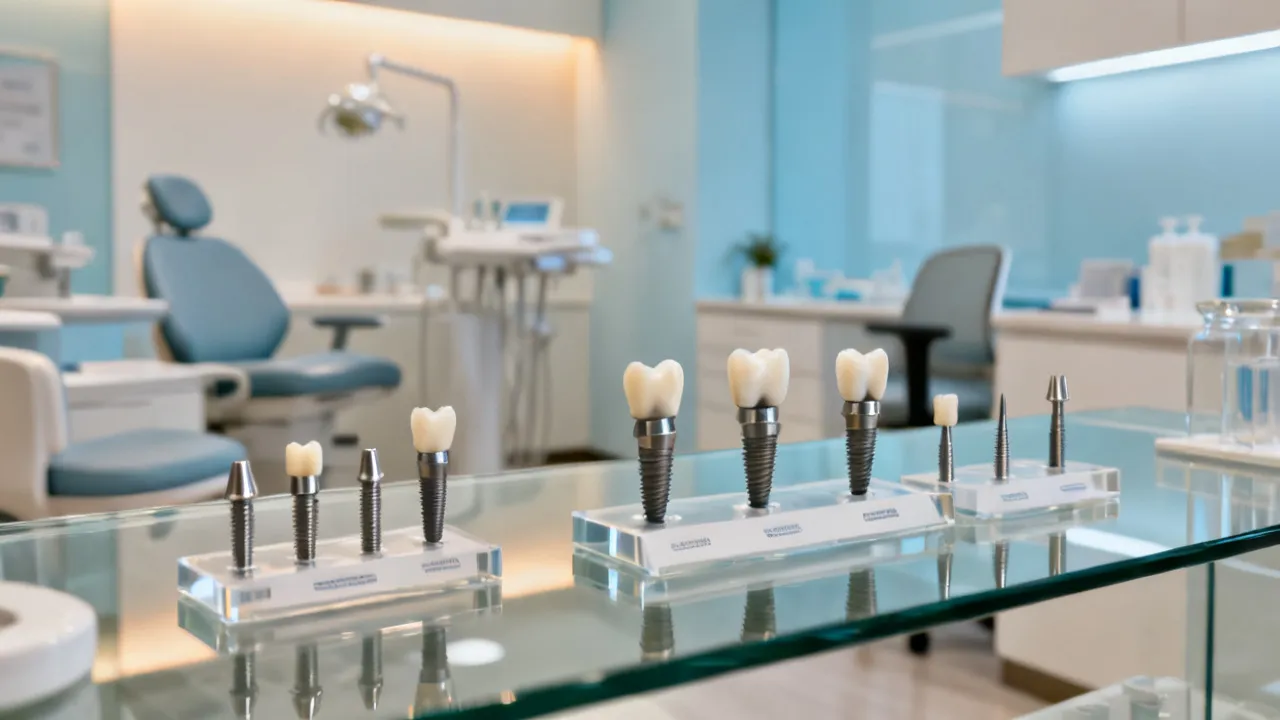
Guide to Affordable Dental Implants
This guide explores how to access affordable dental implants worldwide, focusing on English-speaking countries. Dentalimplants.com provides comprehensive insights into cost-effective dental solutions. Dental implants have revolutionized dental care by offering improved function and aesthetics for individuals with missing teeth. The article delves into how different regions provide these services at various price points and strategies to minimize costs.
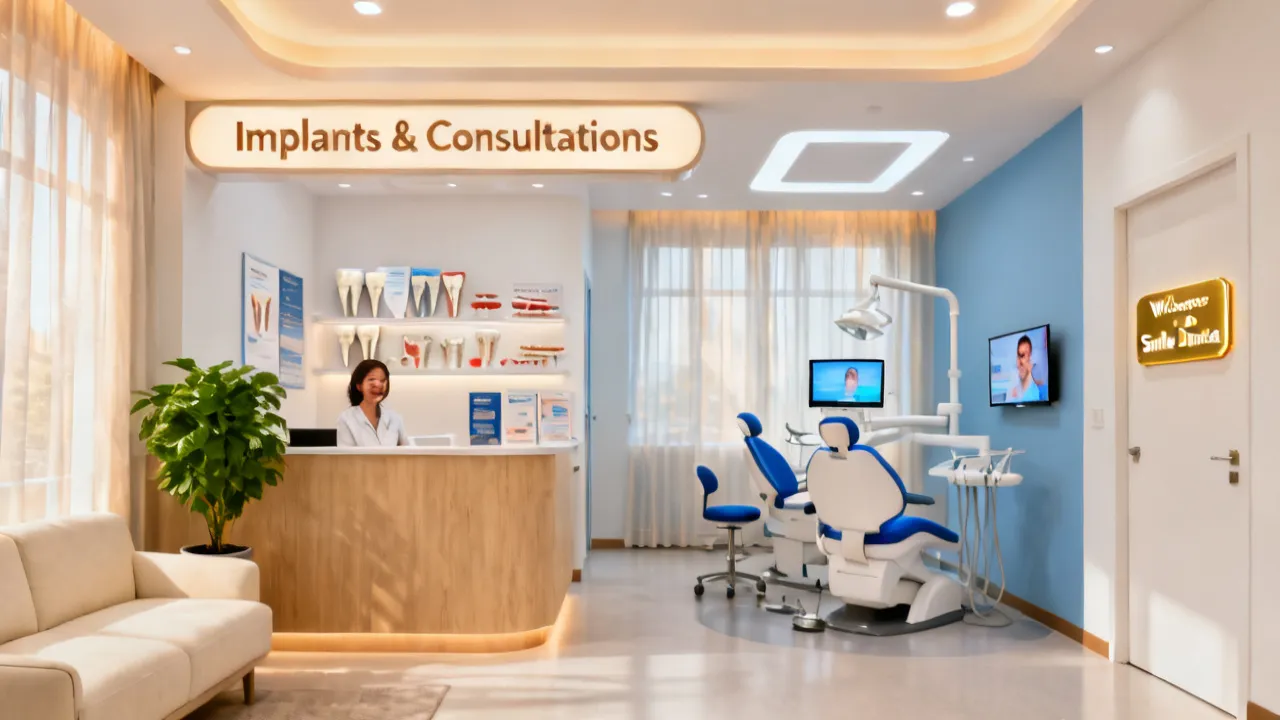
Introduction to Dental Implants
Dental implants are becoming an increasingly popular option for individuals seeking to replace missing teeth. These artificial roots, usually made of titanium, are designed to support crowns, bridges, or dentures, offering a stable and natural-looking solution. While the functional and aesthetic benefits are clear, the associated costs can be prohibitive for many. Understanding the intricacies of dental implants—from their types to the potential for dental tourism—can empower patients to make informed decisions that suit their financial and health needs.
The Importance of Dental Implants
Dental implants play a crucial role in restoring not only the functionality of teeth but also the overall aesthetic of a person's smile. They serve as a permanent solution for individuals who have lost one or more teeth due to trauma, periodontal (gum) disease, or other oral health issues. Unlike bridges or dentures, which can shift or become less effective over time, dental implants fuse with the jawbone through a process called osseointegration, leading to a strong and durable foundation for replacement teeth.
Moreover, dental implants help to maintain jawbone density. When a tooth is lost, the area where the tooth root once was can begin to deteriorate. This loss of bone can lead to changes in facial structure—a sunken appearance of the cheeks, for instance. Implants stimulate bone growth, preserving the integrity of the jaw and overall facial appearance.
Understanding Dentalimplants.com
Dentalimplants.com is a pivotal resource for those looking to explore their options for dental implants. The website provides a wealth of information on the types of implants available, the procedures involved, and insights into costs across various regions. Furthermore, the platform assists users in finding qualified dental professionals, offering a step-by-step guide through the implant process. This guide aims to decipher the website's offerings and provide a comprehensive look at securing affordable dental implants.
As a foundational platform for education and connection with dental implant specialists, Dentalimplants.com highlights the importance of informed decision-making in the realm of dental health. By accessing this resource, individuals can better prepare for consultations and treatment plans tailored to their unique needs, allergies, and health conditions.
Accessing Low-Cost Dental Implant Solutions
For those keen on procuring affordable dental implant treatments, understanding the geographical cost variances is crucial. Below, we provide a detailed table comparing websites that specialize in low-cost dental implants.
| Website | Description |
|---|---|
| Dental Views | Focuses on low-cost solutions, detailing benefits and types of treatments available. |
| Atlantic Dental Group | Offers comprehensive dental services including implants, with information on appointments and locations. |
| DentaVacation | Assists with dental tourism, showcasing countries with cost-effective treatments. |
Source: Dental Views, Atlantic Dental Group, DentaVacation
Regional Cost Analysis for Dental Implants
Implant costs vary widely across countries, influenced by several factors such as clinic reputation, implant material, local economic conditions, and even the dentist's expertise. Here's a brief overview of cost ranges in various English-speaking countries:
| Country | Currency | Cost Range |
|---|---|---|
| United States | USD | $3,000 - $6,000 |
| United Kingdom | GBP | £2,000 - £2,500 |
| Australia | AUD | AU$3,500 - AU$6,500 |
| Canada | CAD | CA$3,000 - CA$5,500 |
Factors Impacting Costs of Dental Implants
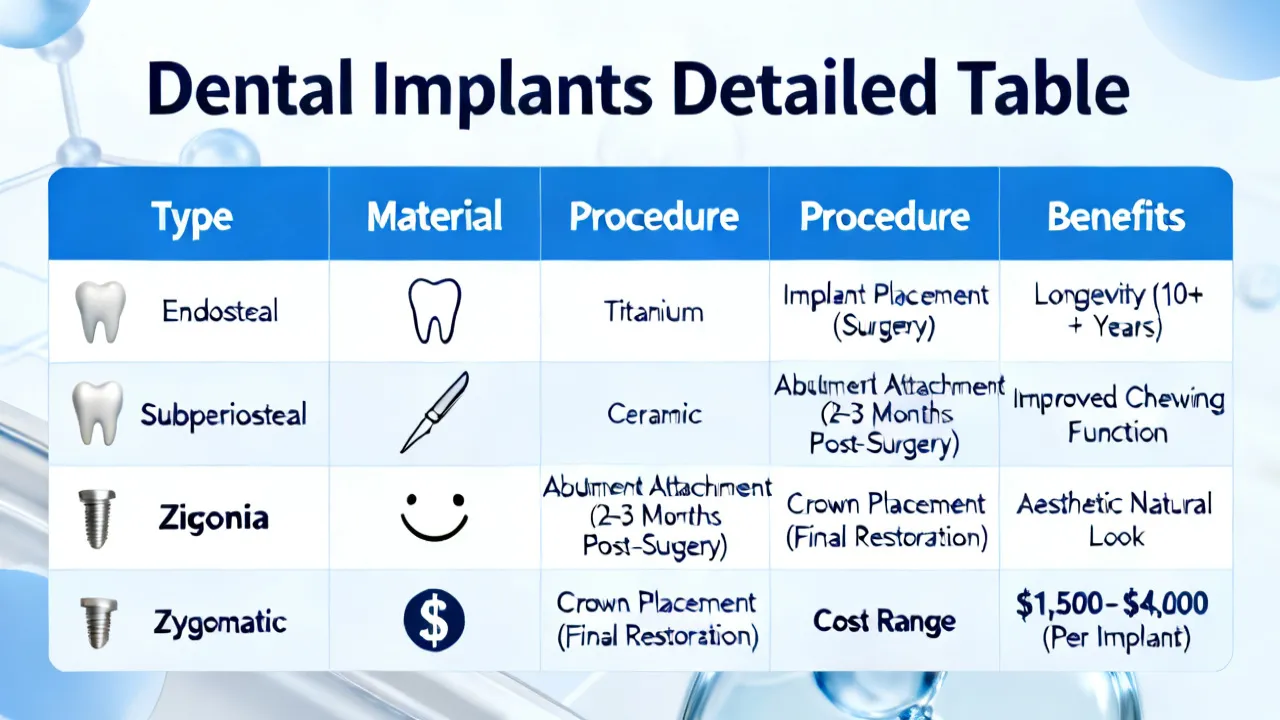
Various factors can significantly impact the overall cost of dental implants, and it’s important for patients to be aware of these elements when seeking treatment. The type of implant chosen can affect pricing; for instance, single implants are typically less expensive than full-mouth reconstructions. Also, the materials used in the implant can vary in price. Titanium, being the most common and generally the most affordable, can be more cost-effective than advanced materials such as zirconia.
Another factor influencing costs is the necessity for additional procedures prior to implant placement, such as bone grafting or sinus lifts. Patients with insufficient bone density may require these procedures to create a stable environment for the implant. This can increase the overall treatment cost and should be factored into budget considerations.
Strategies for Cost-Effective Implant Acquisition
Embarking on a dental tourism journey can markedly reduce implant costs. Countries such as Mexico, Costa Rica, and Colombia offer significant savings, often coupled with the benefit of a vacation. Many clinics in these locations provide high-quality services at a fraction of the price found in more developed nations.
It is essential, however, to thoroughly research clinics and consult with dental tourism facilitators to ensure quality and safety. Reading patient testimonials, reviewing before-and-after photographs, and researching the credentials of the dental professionals are vital steps. The best clinics often have accreditations from recognized international organizations, which can provide peace of mind concerning the quality of care.
Exploring Dental Insurance Plans
Another route to more affordable implants involves dental insurance. Websites like ADHP provide information on plans that may cover a portion of implant costs, reducing the financial burden. Navigating these plans requires an understanding of coverage options, premiums, and any associated limitations. It's crucial to assess whether specific procedures are covered, as many insurance plans do not encompass dental implants, or may only cover parts of the treatment.
Additionally, potential patients should inquire with their insurance providers about any waiting periods that might apply before they can access benefits related to dental implant treatment. Understanding your benefits and limitations can lead to more effective financial planning and ensure you’re not caught off guard by out-of-pocket expenses later.
Understanding the Dental Implant Process
The process of getting dental implants typically involves several stages, which can take several months due to the healing time required between procedures. Here’s an overview of the general steps involved in the dental implant process:
- Initial Consultation: During this visit, the dentist will assess your dental and medical history and conduct a thorough examination of your mouth, along with imaging tests to determine the appropriate treatment plan.
- Implant Placement: Once deemed suitable for implants, the dentist will surgically place the titanium post into the jawbone. Patients may receive local anesthesia, sedation, or general anesthesia during this procedure, depending on their comfort and the complexity of the implant.
- Osseointegration Period: Following placement, a healing period of several months is necessary during which the jawbone fuses with the implant. This process is called osseointegration and is critical for the stability of the implant.
- Abutment Placement: Once healed, an abutment (a small connector) is attached to the implant, which will hold the crown or prosthetic tooth. This may require another minor surgery.
- Crown Placement: Finally, custom-made crowns are placed on top of the abutments, completing the restoration. This step restores function and aesthetic appearance, giving you a new smile.
FAQs About Dental Implants
- What are the long-term benefits of dental implants? – In addition to improving appearance, dental implants can help maintain the overall health of adjacent teeth and improve chewing and speech function.
- Are dental implants safe? – Yes, they have a high success rate and are considered a safe option when performed by experienced professionals. Complications are rare but can include infection, nerve damage, or implant failure, making careful selection of the provider essential.
- How long do dental implants last? – With proper care, dental implants can last several decades, often a lifetime. Regular check-ups and maintaining oral hygiene are key to their longevity.
- What is the recovery time after getting dental implants? – Full recovery can take several months, but many patients can return to normal activities after a few days, depending on their individual health and the extent of the procedure.
- What if I have insufficient bone for dental implants? – Bone grafting procedures are available to help build up bone density, making it possible to place implants in areas where the bone is thin.
Alternative Options to Dental Implants
While dental implants are a great solution for many, they are not the only option for replacing missing teeth. Here are a few alternatives that may also be considered:
- Dental Bridges: This option involves placing crowns on the teeth adjacent to the gap and bridging the space with an artificial tooth. While they can provide a functional solution, they require the alteration of healthy teeth for support.
- Partial or Full Dentures: Dentures can replace a complete arch of teeth or various missing teeth in a row. They are removable and can be more affordable, but may not provide the same level of comfort or stability as implants.
- Resin-Bonded Bridges: Often referred to as "Maryland bridges," these are typically used for front teeth and involve a false tooth supported by a metal or porcelain framework that is bonded to adjacent teeth.
Exploring these options with your dentist can provide additional context for what might work best based on your dental health, aesthetic desires, and financial considerations.
Conclusion
Securing dental implants can be a significant investment, but by leveraging resources like Dentalimplants.com and exploring global treatment options, individuals can find cost-effective solutions without compromising quality. The path to a radiant smile need not be financially daunting with the right approach and information.
Ultimately, the decision to pursue dental implants is a personal one that should be made after careful consideration of all available options, consultations with dental professionals, and an assessment of one’s desires versus financial capabilities. It’s important to remember that the journey to maintaining oral health and achieving a confident smile is personal and varies for each individual, and taking the right steps can lead to satisfying outcomes.
Disclaimer: 1) The above information comes from online resources, and the data is as of October 2023. 2) Dental implant prices are for reference only and may vary by region, clinic, and doctor.
Reference Links
-
1

A Senior's Guide to Affordable Electric Cars
-
2
Maximizing Your Career: Competitive Pay, Flexible Hours, and Job Security
-
3
Affordable Internet for Seniors: Navigating Public Sector Programs
-
4
Navigating Breast Cancer: Understanding HER2-Positive Treatment Options
-
5
Affordable Electric Vehicles: Hyundai Ioniq Leading the Charge