Affordable Dental Implants Worldwide
Discover how to access affordable dental implants worldwide, focusing on essential information and options available in different regions. Dentalimplants.com is poised to be a significant resource for those seeking quality oral care solutions, particularly implants, offering insightful comparisons of clinics, costs, and how to access reduced-rate treatments, including dental tourism.
Introduction to Dental Implants
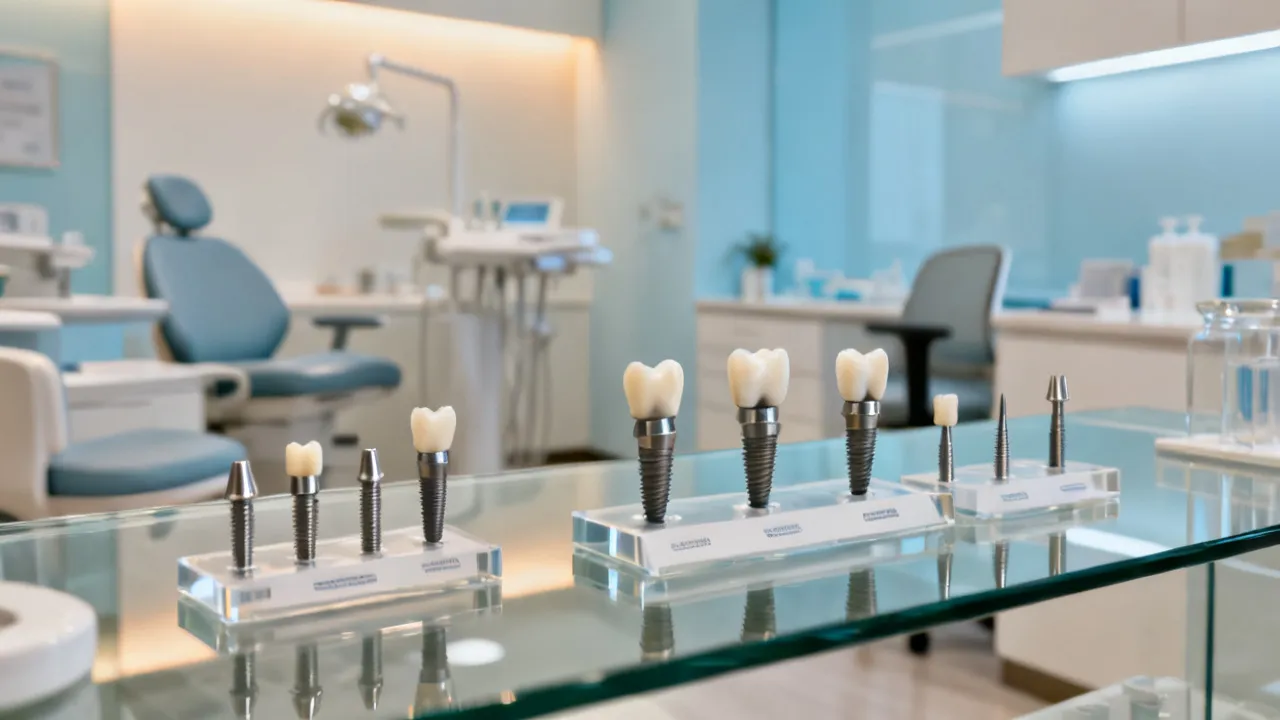
Dental implants have revolutionized restorative dentistry, providing a stable solution for missing teeth. They consist of titanium posts surgically inserted into the jawbone, serving as a foundation for replacement teeth. Unlike traditional dentures that can shift and slip, dental implants are securely anchored, which allows patients to enjoy their favorite foods and engage in social activities without the anxiety related to tooth loss. Despite their benefits, the cost can deter many patients. Dental implant costs can vary dramatically depending on various factors including location, provider experience, and the complexity of the procedure. This guide explores cost-effective solutions for dental implants, aiding individuals in their search for affordable, quality care worldwide.
The Evolution of Dental Implants
Dental implants are not a new concept; they have been around for centuries, with early forms identified in ancient civilizations. Historical accounts suggest that the ancient Egyptians used seashells as a form of implant, while the Mayans experimented with carved tooth-like pieces as replacements. Modern dental implants take these historical concepts and merge them with contemporary scientific advancements, utilizing biocompatible materials and innovative techniques for placement and maintenance.
The introduction of titanium as a material for implants in the 1960s marked a turning point in dental history. Researchers discovered that titanium could fuse with bone in a process called osseointegration, providing a stronger and more secure anchorage for artificial teeth. This pivotal discovery has paved the way for the diverse variety of dental implant solutions available today.
How Dental Implants Work
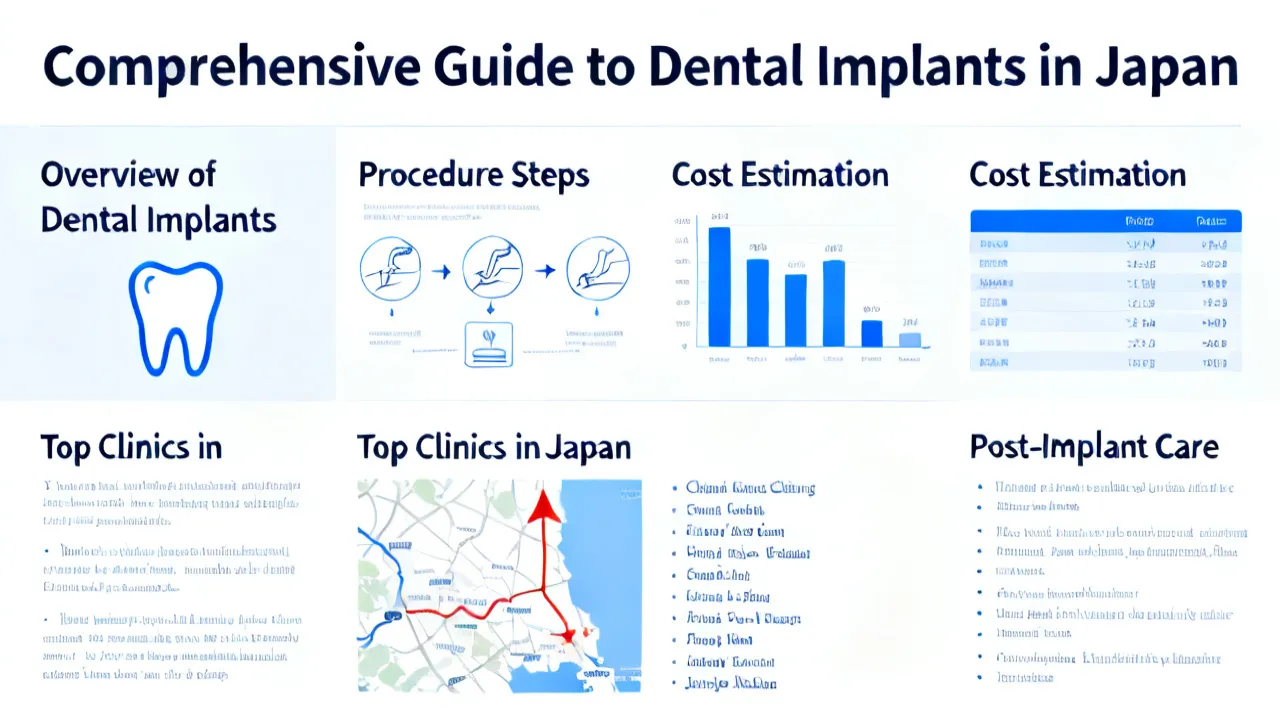
Understanding how dental implants function is essential for appreciating their value in restorative dentistry. The dental implant process generally involves multiple stages:
- Consultation and Planning: The first step is an initial consultation with a dental professional who will evaluate the jawbone structure, gum health, and overall oral condition to determine whether the patient is a suitable candidate for implants.
- Surgical Placement: The surgery begins with the insertion of a titanium post into the jawbone. This is done under local anesthesia, and the length and complexity of the surgery can vary based on individual needs.
- Osseointegration: After the implant is placed, the osseointegration process begins. This can take several months, during which the bone grows around the implant, securing it firmly in place.
- Abutment Placement: Once osseointegration is complete, an abutment is attached to the implant. This abutment serves as the connector between the implant and the crown.
- Crown Placement: Finally, a custom-designed crown that matches the patient’s natural teeth is placed on the abutment, completing the restoration.
This multi-step process ensures that the dental implant functions like a natural tooth, providing not only aesthetic benefits but also functional advantages for patients looking to restore their smiles and improve their overall oral health.
Exploring Options: Dentalimplants.com
For those seeking comprehensive information on dental implants, Dentalimplants.com is a pivotal resource. This platform provides insights into the latest implant technologies, patient testimonials, and expert advice on maintaining oral health with implants. It’s a starting point for anyone considering this form of treatment. The site also contains educational resources such as videos and articles related to the procedure, recovery, and long-term care. Users can benefit from learning about the potential risks associated with dental implants and how to mitigate them, enhancing overall patient satisfaction.
Comparative Analysis of Dental Implant Providers
Below is a table that captures the essence of different online portals providing affordable dental implant solutions across various English-speaking countries:
| Website | Focus and Key Features |
|---|---|
| Dental Views | Offers low-cost dental implant solutions with details on types, benefits, and pricing. They provide a comprehensive comparison of different dental practices. |
| Atlantic Dental Group | Covers a broad spectrum of dental services, including implants, with detailed information on service availability, clinic locations, and pre-surgery consultations. |
| DentaVacation | Facilitates dental tourism, providing cost comparisons and travel arrangements for dental implant procedures abroad, including potential package deals for dentistry, travel, and accommodation. |
Source: www.dentalviews.com, www.atlanticdentalgrp.com, www.dentavacation.com
Strategies for Low-Cost Dental Implants in English-speaking Countries
In English-speaking regions, several strategies can help reduce the cost of dental implants:
- Research and compare clinics through platforms like Dentalimplants.com that provide reviews and pricing details. It’s vital to read patient experiences to ensure quality care.
- Consider dental tourism to countries with lower treatment costs while ensuring the clinic's accreditation and safety protocols are stringent. Countries such as Mexico, Costa Rica, and Hungary have become popular hotspots for dental services.
- Consult with dental schools that offer discounted fees through student clinics supervised by experienced professionals. Dental schools often have the latest technology, and students are typically eager to provide patients with excellent care to establish their clinical experience.
- Utilize financing options or dental insurance plans that might cover part of the implant costs. Many dental practices offer payment plans or work with financing companies to make treatment more accessible.
Implementing these strategies can significantly lower the financial burden associated with dental implants, allowing patients to receive necessary treatments without compromising on quality.
Cost Ranges for Dental Implants in English-speaking Countries
The following table highlights the cost range for a single dental implant in various English-speaking countries:
| Country | Price Range (Currency) |
|---|---|
| United States (US) | $3,000 - $6,000 USD |
| United Kingdom (GB) | £2,000 - £2,500 GBP |
| Australia (AU) | AU$3,500 - AU$6,500 AUD |
| Canada (CA) | CA$3,000 - CA$5,500 CAD |
These costs reflect just the implants themselves, and additional procedures such as bone grafting, sinus lifts, or sedation might increase the overall cost. It’s essential for patients to be aware of these potential expenses when budgeting for dental implants.
Factors Influencing the Cost of Dental Implants
When considering dental implants, several factors influence the final cost beyond geographical location:
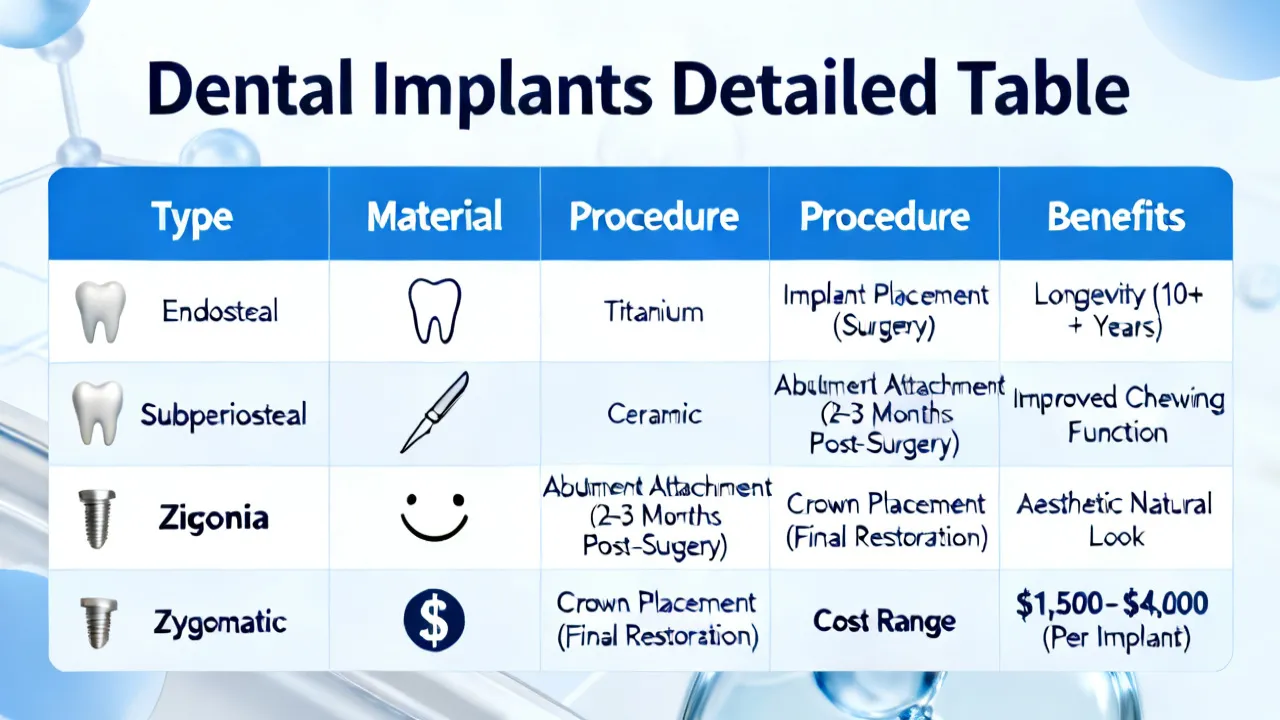
- Type of Implant: There are different types of implants (e.g., endosteal, subperiosteal, zygomatic implants), each with different costs associated due to the materials and techniques used.
- Number of Implants Needed: The more implants required, the higher the total cost. Some patients may need additional implants for full-arch restorations or bridgework.
- Additional Procedures: As mentioned earlier, procedures like bone grafting or sinus lifts can add significant costs, necessitating a comprehensive evaluation of individual needs before treatment.
- Provider Experience: Established practices with highly experienced professionals may charge more for their services. However, this expertise can contribute to better results and minimize complications.
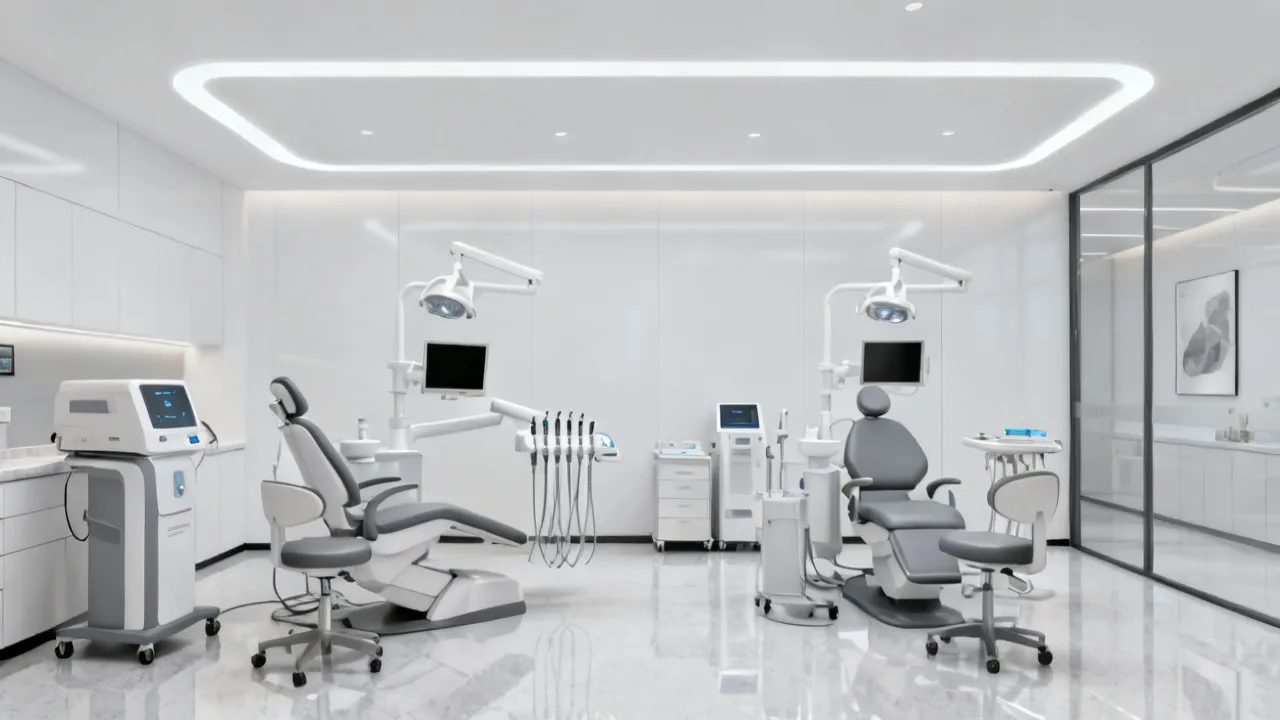
- Location and Facility Standards: Clinics located in metropolitan areas or those that utilize cutting-edge technologies tend to have higher fees. Patients should consider the overall reputation and quality of care provided, not just the costs.
FAQs on Dental Implants
- What are the benefits of dental implants?
- Are dental implants painful?
- How long do dental implants last?
- Who is a suitable candidate for dental implants?
- What is the recovery time for dental implants?
Dental implants offer several advantages, including improved oral health, durability, and the prevention of bone loss. They mimic the natural tooth structure, providing stability and a natural look. Additionally, implants do not require altering adjacent teeth, unlike dental bridges.
While the procedure involves surgery, patients usually experience minimal discomfort manageable with prescribed pain medications. Dentists typically use local anesthesia to numb the area during the implant placement, and many report that the recovery process is less painful than expected.
With proper care, dental implants can last a lifetime, although the attached crowns may need replacement due to wear over time. Maintenance, including regular dental check-ups and cleanings, significantly impacts the longevity of the implant.
Most adults with good oral health and sufficient bone density are suitable candidates. However, individuals with certain health conditions such as uncontrolled diabetes or those who smoke may need to manage these issues before proceeding with implants.
Recovery time varies by individual, but the typical healing period after surgery for osseointegration can range from three to six months. Initial healing of soft tissues usually occurs within a week, allowing for gradual return to normal activities.
Advancements in Dental Implant Technology
The field of dental implants is constantly evolving, with new technologies improving success rates and patient experiences. Some notable advancements include:
- 3D Imaging and Guided Surgery: Innovations in imaging technology allow for detailed 3D scans of the jaw, enabling precise planning for the surgical placement of implants. Guided surgical techniques enhance accuracy and reduce recovery time.
- Immediate Load Implants: In some cases, dentists can place an implant and a temporary crown on the same day, allowing patients to leave the clinic with a functional tooth. This technique minimizes the waiting period and improves patient satisfaction.
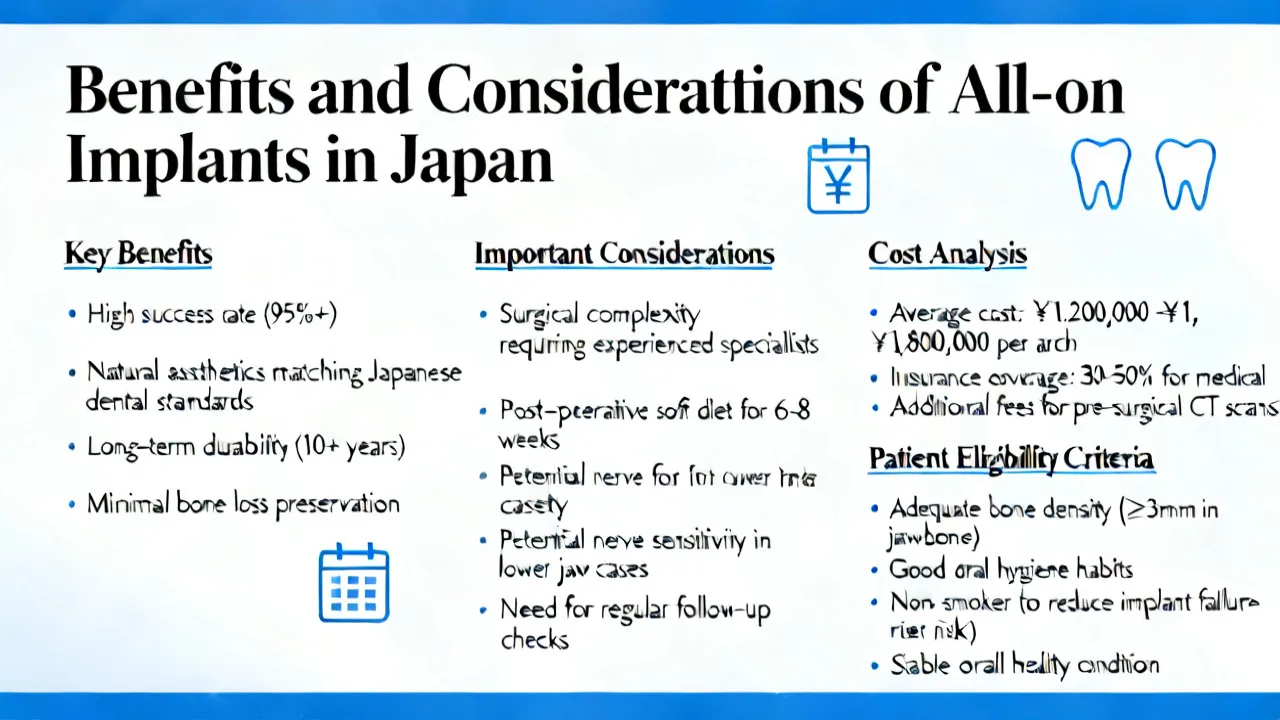
- All-on-4 Implants: This technique involves placing four strategically positioned implants in the jaw, which can support an entire arch of prosthetic teeth. This offers a more affordable solution for patients requiring multiple replacements.
- Biomaterials: Research into new materials that promote bone growth and implant integration is ongoing. Enhanced coatings and surface treatments on implants encourage quicker integration with the bone, leading to better outcomes.
- Teledentistry: The rise of telehealth services enables potential patients to consult with dental professionals remotely, which can lead to easier access to information, preliminary evaluations, and even post-operative follow-ups.
Such advancements continue to enhance the effectiveness and accessibility of dental implant procedures, helping to ensure that more patients can benefit from these innovative solutions.
Importance of Aftercare and Maintenance
Aftercare for dental implants is crucial to their long-term success. Following the placement of implants, patients must adhere to a strict oral hygiene regimen that includes brushing at least twice daily, flossing, and frequent dental visits for professional cleanings. Here are some essential maintenance tips:
- Regular Check-ups: Schedule regular dental appointments for check-ups, allowing the dentist to monitor the conditions of the implants and surrounding gum tissues.
- Avoid Hard Foods: For the initial healing phase, avoid hard or crunchy foods that could put pressure on the new implant.
- Use a Soft-Bristled Toothbrush: To maintain healthy gums and surrounding tissues, utilize a soft-bristled toothbrush and non-abrasive toothpaste.
- Avoid Tobacco: Smoking can significantly impair healing and increase the risk of implant failure. Quitting smoking is advisable before and after surgery.
By investing in proper aftercare, patients can ensure the longevity and functionality of their dental implants, minimizing potential risks and maximizing satisfaction.
Conclusion: Making Informed Choices
Choosing the right provider for dental implants requires research and consideration of various factors such as cost, quality, and location. The decision-making process may be extensive, encompassing factors from the provider's credentials to specific experience in the dental implant field. Whether considering local clinics or dental tourism, patients should prioritize clinics known for their professionalism and patient satisfaction. Dentalimplants.com serves as a vital resource for ongoing education and informed decision-making in choosing dental care solutions. Engaging in thorough research can empower patients to navigate the complex landscape of dental implant procedures effectively.
For more detailed information and provider links, please refer to the source websites mentioned above, and consider reaching out to professionals to address any queries or concerns you may have regarding dental implants and your specific situation.
Disclaimer
The above information comes from online resources, and the data is as of October 2023. Dental implant prices are for reference only and may vary by region, clinic, and doctor. Always consult with a qualified dental professional for specific advice tailored to your situation.
Reference Links:
-
1

A Senior's Guide to Affordable Electric Cars
-
2
Maximizing Your Career: Competitive Pay, Flexible Hours, and Job Security
-
3
Affordable Internet for Seniors: Navigating Public Sector Programs
-
4
Navigating Breast Cancer: Understanding HER2-Positive Treatment Options
-
5
Affordable Electric Vehicles: Hyundai Ioniq Leading the Charge