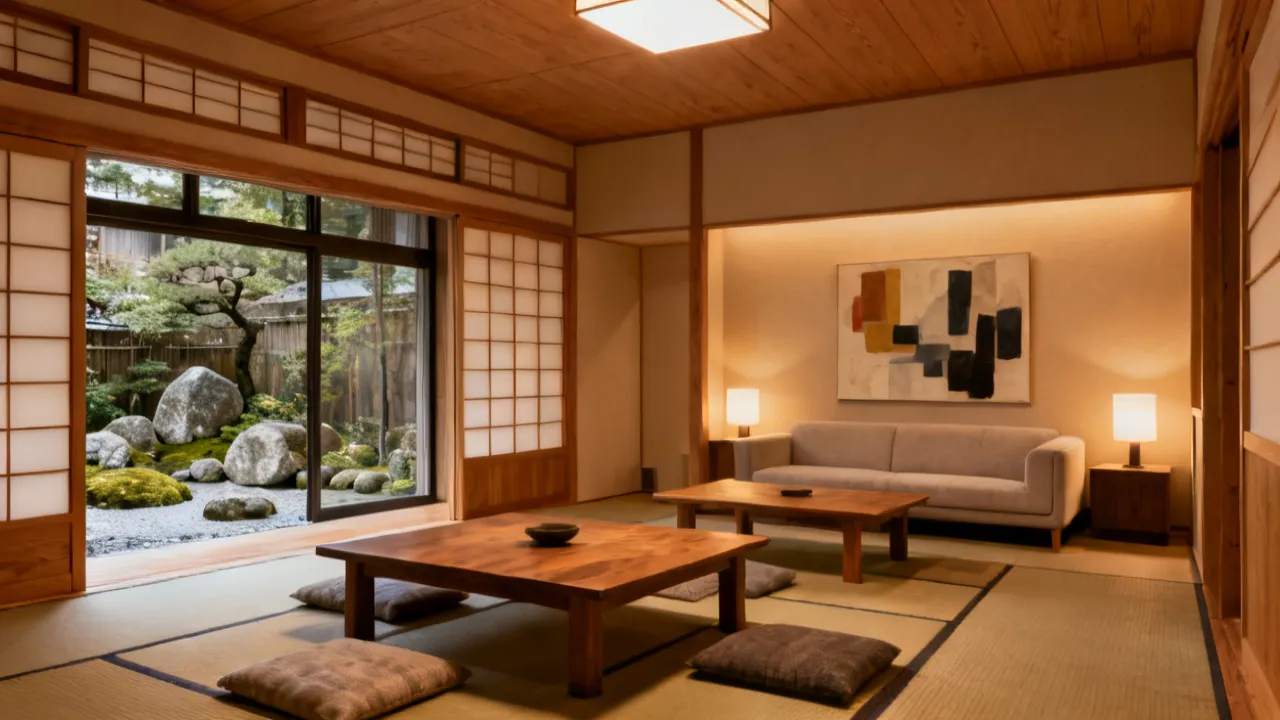
Transform Your Space with Hamamatsu Renovations
Discover comprehensive insights into home renovation in Hamamatsu. This article delves into the nuances of enhancing living spaces in this culturally rich city, focusing on modern techniques, local trends, and expert recommendations. Home renovation, or "リフォーム 浜松," combines traditional and modern styles, reflecting the city's unique blend of history and innovation.
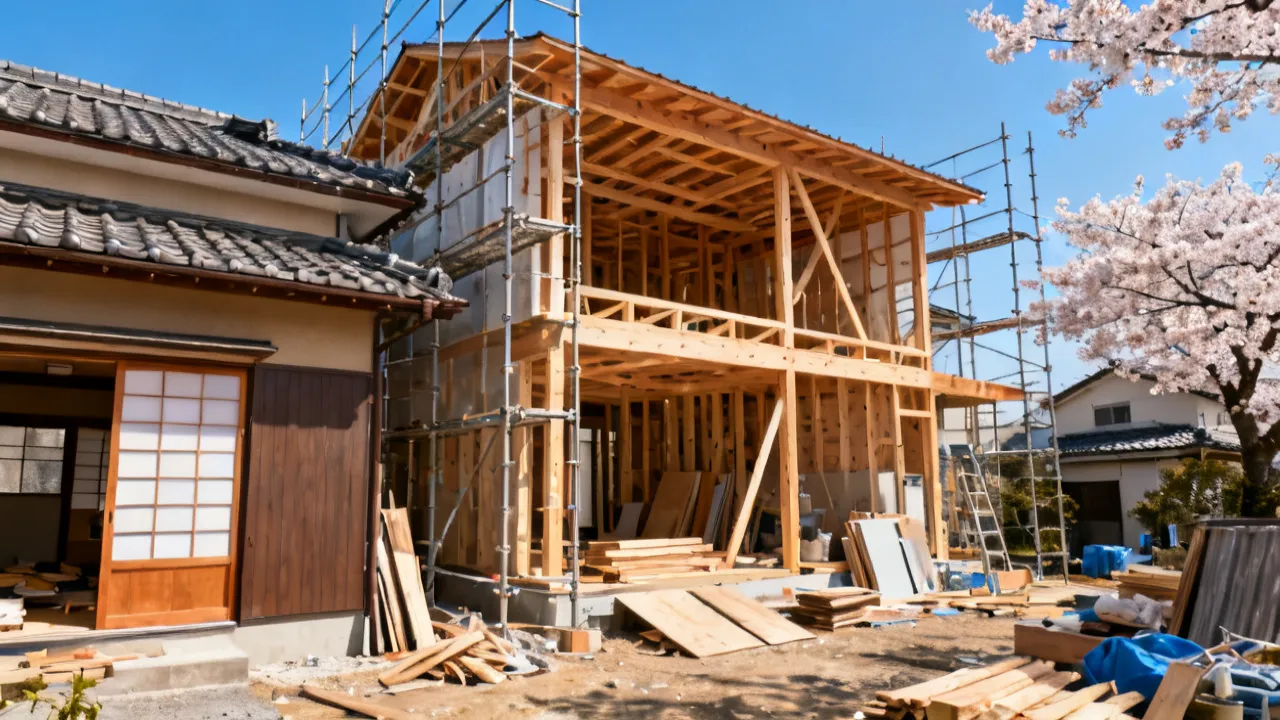
Understanding the Need for Renovation in Hamamatsu
As cultures evolve and lifestyles change, there's an increasing demand for home improvements, locally known as “リフォーム 浜松.” In Hamamatsu, this trend is driven by a mix of historical preservation and the desire for modern amenities. Homeowners here are keen on upgrading their living environments, integrating traditional Japanese elements with contemporary design principles.
The need for renovation is often influenced by factors such as the need to increase energy efficiency, adapt to family changes such as growing children or elderly relatives, and the desire to improve overall comfort and functionality in living spaces. As Hamamatsu is a city that cherishes its rich heritage, many renovators also prioritize keeping the aesthetic character of their homes while incorporating desirable modern features.
The Cultural Significance of Renovations
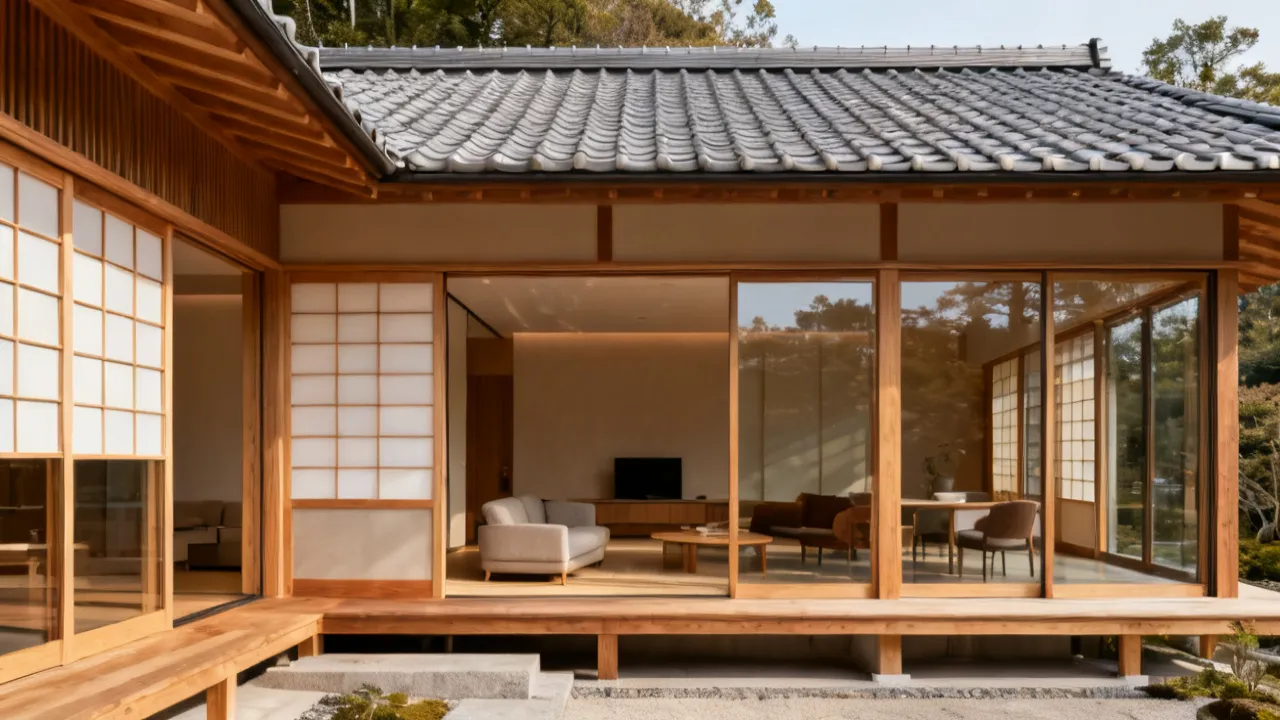
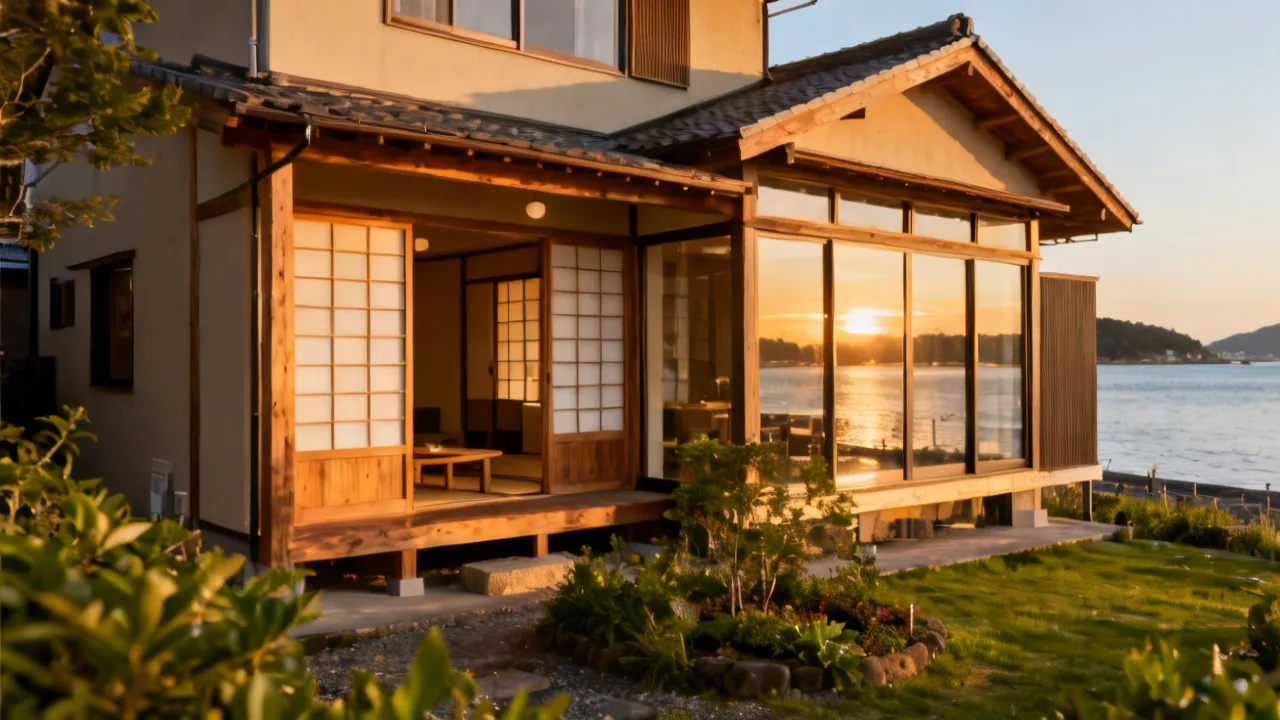
In Hamamatsu, renovations are not just about practicality; they carry cultural importance. Many homeowners aim to preserve traditional tatami rooms and sliding doors, which symbolize a serene and harmonious living environment. This effort to maintain cultural identity alongside the adoption of modern conveniences reflects the unique character of the city.
Renovations also serve as a means of storytelling, where individuals can express their personal heritage and values. By updating spaces while honoring their origins, homeowners create environments that resonate with personal history and local culture. The act of renovation itself becomes an extension of cultural practices, reinforcing community ties as residents engage with local craftsmen and suppliers who understand and respect the traditional methods.
Renovation Trends and Techniques in Hamamatsu
Modern renovation in Hamamatsu incorporates cutting-edge techniques and sustainable materials, reflecting a commitment to environmentally friendly practices. Techniques such as modular renovations, smart home technology integration, and energy-efficient retrofitting are prominent. These approaches cater to the increasing demand for sustainable and technologically advanced living spaces.
Among the most notable trends in Hamamatsu renovations is the integration of smart home systems that enable users to control heating, lighting, and security systems through their smartphones or voice commands. Such innovations not only enhance comfort but also promote energy efficiency, reducing utility costs and the home's overall carbon footprint. Users can monitor and adjust their home's systems remotely, ensuring that energy is not wasted when the home is unoccupied.
Sustainable materials, such as reclaimed wood, bamboo, and recycled metal, are increasingly favored for their minimal environmental impact. These materials not only boast a lower ecological footprint but also offer unique aesthetic qualities that elevate the beauty of renovated spaces. Homeowners are increasingly conscientious about the lifecycle of materials used, opting for those that are durable, locally sourced, and contribute positively to the environment.
Local Suppliers and Material Considerations
Hamamatsu is home to a variety of local suppliers who offer materials that align with both aesthetic needs and functional requirements. From traditional wood and bamboo to innovative composite materials, the selection is vast. Choosing local materials not only supports the economy but also ensures that renovations are suited to the regional climate and architectural style.
Local artisans and suppliers deeply understand the unique characteristics of Hamamatsu’s climate, which experiences significant seasonal changes. The materials they offer are often curated to withstand local conditions, ensuring longevity and resilience. For instance, Japanese cedar is popular due to its natural resistance to rot and pests, making it an ideal choice for both indoor and outdoor renovation projects.
In addition to raw materials, the growing trend towards sustainability has prompted local suppliers to develop and promote eco-friendly products, such as paints and finishes that are low in volatile organic compounds (VOCs). Homeowners are increasingly opting for these healthier alternatives, not only for their own well-being but also for that of the environment.
Challenges and Opportunities in the Renovation Industry
The renovation industry in Hamamatsu faces challenges such as regulatory compliance and skilled labor shortages. However, these challenges also present opportunities. By investing in skilled labor training programs and encouraging sustainable practices, the industry can continue to thrive and adapt to the evolving demands of homeowners.
Regulatory compliance can be complex, particularly when it involves historical buildings or properties with specific cultural significance. Renovators must navigate local zoning laws, preservation guidelines, and safety regulations, which can complicate project timelines. Nonetheless, working with local authorities and familiarizing oneself with regulations can pave the way for smoother project execution.
Skilled labor shortages represent another significant challenge in the renovation industry. As older craftsmen retire, there is a pressing need to attract younger individuals into the trades. Programs aimed at educating the youth about the various aspects of renovation, including carpentry, plumbing, and electrical work, are essential for ensuring a robust workforce. Initiatives that promote apprenticeships or hands-on training opportunities help bridge the gap and encourage knowledge transfer between generations.
Moreover, embracing technology in construction and renovation practices can alleviate some of the pressures of labor shortages. Automation and prefabrication methods can reduce the reliance on a large workforce and expedite project delivery, given that key tasks can be completed with precision and efficiency by advanced machinery.
Step-by-Step Guide to Planning Your Renovation
| Step | Description |
|---|---|
| 1. Initial Consultation | Discuss your vision with a local renovation expert to define project scope, preferences, and budget constraints. Establishing clear goals at this stage helps frame the overall project. |
| 2. Design and Planning | Collaborate with architects and designers to develop detailed plans that meet both style and function while also accommodating any local building codes. |
| 3. Material Selection | Choose appropriate materials that align with your aesthetic vision and prioritize sustainability. Potential sourcing options should be considered, including local suppliers that promote eco-friendly practices. |
| 4. Construction | Engage a qualified team for the renovation process, ensuring strict adherence to timelines, budgets, and safety standards throughout the construction phase. |
| 5. Quality Check | Conduct thorough inspections at various stages of the build to ensure all work meets established quality requirements and standards. |
| 6. Final Review and Handover | After the renovation is completed, do a final walkthrough with your project manager to address any last-minute adjustments before officially taking ownership of your newly renovated space. |
Expert Insights into Effective Renovation Practices
According to industry experts, successful renovations in Hamamatsu often hinge on the delicate balance between respecting cultural heritage and embracing modern innovation. Experts advise homeowners to prioritize quality over cost, as the long-term benefits of durable materials and skilled craftsmanship far outweigh the initial expense.
Experts suggest conducting thorough research before commencing any renovation project. This includes gaining an understanding of local architectural styles, learning about traditional building materials, and exploring the history of one’s home. By gaining this cultural insight, homeowners can make informed decisions that reflect their respect for Hamamatsu's heritage while also infusing their unique styles into their renovations.
Networking with local craftsmen and suppliers can greatly enhance the renovation experience. By building relationships with those in the field, homeowners gain access to advice on sourcing materials, finding skilled tradespeople, and even uncovering unique local products. Many experienced renovators share their stories of collaboration with traditional artisans, reflecting the satisfaction of preserving cultural techniques in their modern projects.
FAQs
- What are the common renovation projects in Hamamatsu?
Typical projects include kitchen upgrades, tatami room restorations, and exterior facelifts to enhance curb appeal. Many homeowners also undertake bathroom remodels, creating spa-like sanctuaries that incorporate modern fixtures while retaining classic elements. - How long does a typical home renovation take?
The duration can vary, but most projects in Hamamatsu take between three to six months, depending on their scope and complexity. Factors such as the size of the home, the extent of the modifications, and unforeseen issues can extend timelines, so it's critical for homeowners to remain flexible and adaptable throughout the process. - Can traditional elements be preserved during renovations?
Yes, many renovation experts specialize in maintaining traditional features while modernizing other aspects of the home. This includes restoring original tatami flooring, preserving antique fixtures, and replicating original window designs that enhance the character of the home while providing improved insulation and durability. - What should I budget for a typical renovation project?
Budgets can significantly vary based on project complexity and material choices. Homeowners should prepare a realistic budget that encompasses materials, labor, and contingencies for unexpected expenses, typically ranging from several thousand to several million yen depending on the desired extent of the renovations. - Are there grants or subsidies available for home renovations in Hamamatsu?
Yes, various local and national programs may offer financial assistance for home renovations, particularly those that enhance energy efficiency or preserve historical properties. Checking with local government websites or offices can provide up-to-date information on available incentives.
Conclusion
The field of “リフォーム 浜松” is vibrant and diverse, offering numerous opportunities for enhancing your living space. By staying informed and working with local experts, homeowners can seamlessly blend tradition with innovation, creating homes that are both functional and reflective of Hamamatsu’s rich cultural tapestry.
Ultimately, successful renovations in Hamamatsu invite a deeper appreciation for the balance between history and future living. Homeowners embracing this journey not only invest in their immediate living spaces but also contribute to the preservation of the city's cultural heritage for future generations.
The combination of forward-thinking design, sustainable practices, and community involvement will meet the renovation challenges of today while paving the way for future innovation. For those eager to transform their homes, the journey of renovation in Hamamatsu is not merely about construction; it’s an opportunity to create personal narratives that intertwine local heritage with contemporary lifestyles.
-
1

A Senior's Guide to Affordable Electric Cars
-
2
Maximizing Your Career: Competitive Pay, Flexible Hours, and Job Security
-
3
Affordable Internet for Seniors: Navigating Public Sector Programs
-
4
Navigating Breast Cancer: Understanding HER2-Positive Treatment Options
-
5
Affordable Electric Vehicles: Hyundai Ioniq Leading the Charge