A Comprehensive Guide to Prefabricated Homes Construction
As the demands for housing continue to rise and people look for more efficient, affordable, and sustainable building methods, prefabricated homes have gained significant popularity. These homes, often called prefabs, offer a myriad of benefits, including faster construction times, cost savings, and reduced environmental impact. This guide will delve into the details of prefabricated homes, exploring the different types, the construction process, and the benefits they offer.
What are Prefabricated Homes?
Prefabricated homes are houses that are manufactured off-site in advance, usually in standard sections that can be easily shipped and assembled. Unlike traditional homes built on-site, prefabricated homes are constructed in a factory setting, which allows for more precise and controlled building conditions.
Types of Prefabricated Homes
1. Modular Homes
Modular homes consist of sections, or modules, that are built in a factory and then transported to the home site for assembly. These homes adhere to the same building codes and standards as traditional homes.
2. Panelized Homes
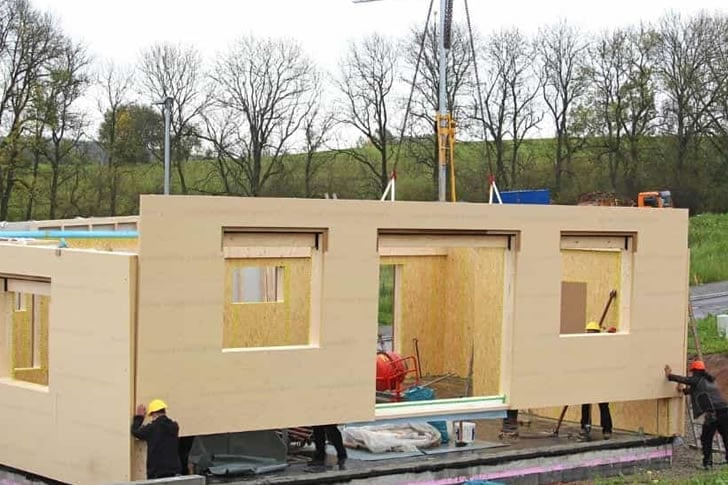
Panelized homes are constructed with flat panels (walls, floors, and roofs) that are transported to the site and assembled. The panels can be made of various materials, including wood, concrete, and steel.
3. Manufactured Homes
Manufactured homes are built entirely in a factory and transported as a complete unit to the site. These homes adhere to the building standards of the HUD code, which is different from local building codes.
4. Kit Homes
Kit homes come with pre-cut materials and plans for assembly. While they provide a higher degree of customization, they often require more on-site labor compared to other prefabricated options.
The Construction Process
1. Design and Planning
The first stage involves designing the home to meet the buyer's specifications and local building codes. This may include customizing floor plans, selecting materials, and integrating energy-efficient features.
2. Manufacturing
Once the design is finalized, construction begins in a controlled factory setting. This phase includes building the home's sections or modules, incorporating plumbing, electrical systems, and insulation as needed.
3. Transportation
The prefabricated sections are then transported to the building site. Special transportation methods are often required to ensure that modules arrive safely and without damage.
4. On-Site Assembly
Upon arrival at the site, the modules or panels are assembled on a pre-prepared foundation. This stage may also include connecting utilities, adding exterior finishes, and completing interior work.
5. Inspection and Finishing
The final phase involves thorough inspection to ensure compliance with all building codes and standards. Any necessary finishing touches are also completed during this stage.
Benefits of Prefabricated Homes
1. Reduced Construction Time
Building in a factory setting allows for simultaneous site work and home construction, significantly cutting down the overall construction time.
2. Cost Efficiency
Prefabricated homes often come at a lower cost compared to traditional homes due to bulk purchasing of materials, reduced labor costs, and minimized waste.
3. Quality Control
Factory settings provide controlled environments, which enhance the quality and precision of construction, reducing the likelihood of errors and defects.
4. Sustainability
Prefabricated homes are often built with sustainable materials and methods, resulting in lower energy consumption and waste. They can also be designed to be highly energy-efficient, reducing utility costs over time.
5. Customization
Contrary to popular belief, prefabricated homes offer considerable customization options in terms of floor plans, finishes, and features. Buyers can often choose from a variety of styles and layouts.
Conclusion
Prefabricated homes represent a revolutionary approach to housing construction, offering numerous advantages over traditional building methods. With reduced construction times, cost savings, enhanced quality control, and sustainability, it's clear why more people are turning to prefabs as a viable option for their housing needs. Whether you're a first-time homebuyer or looking to downsize, exploring prefabricated homes could be a smart and rewarding choice.
-
1

A Senior's Guide to Affordable Electric Cars
-
2
Maximizing Your Career: Competitive Pay, Flexible Hours, and Job Security
-
3
Affordable Internet for Seniors: Navigating Public Sector Programs
-
4
Navigating Breast Cancer: Understanding HER2-Positive Treatment Options
-
5
Affordable Electric Vehicles: Hyundai Ioniq Leading the Charge