
Tips for Affordable Tree Removal and Cost Management
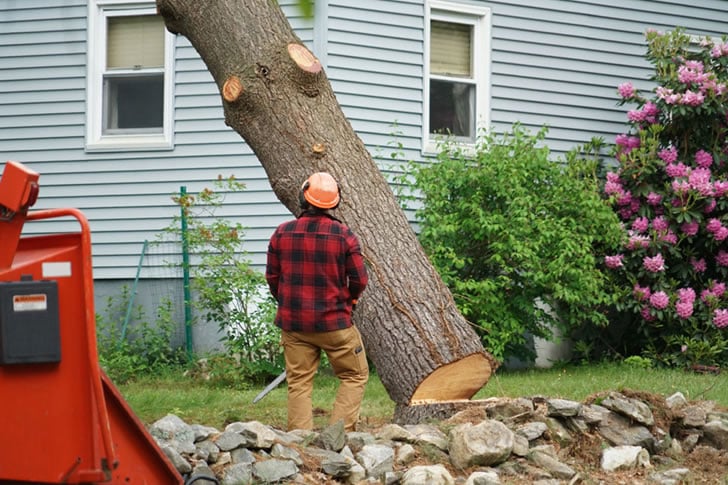
Tree removal can become a necessity for various reasons—whether it's to clear space for new construction, eliminate the hazard of a dead or diseased tree, or manage landscape aesthetics. However, the process can be surprisingly expensive. To manage costs effectively, here are some practical tips for affordable tree removal:
1. Get Multiple Quotes
Before deciding on a service, obtain quotes from at least three different companies. This will give you a better idea of the average cost and help you identify any services that might be overpriced.
2. Consider the Timing
Tree removal companies often have busy and slow seasons. In many regions, winter months are usually slower, which may result in reduced rates. Scheduling your tree removal service during an off-peak season could save you a significant amount of money.
3. DIY Where Possible
If you have the necessary skills and equipment, consider performing some tasks yourself. For instance, you might cut down smaller trees or handle the cleanup of smaller branches and debris. However, always prioritize safety, and leave larger trees to the professionals.
4. Bundle Services
Some companies offer discounts if you bundle multiple services together. For example, you might get a reduced rate if you also need stump grinding, tree trimming, or land clearing. Ask about package deals and available discounts.
5. Check for Licenses and Insurance
While it might be tempting to go with the cheapest option, always make sure the service is properly licensed and insured. Unlicensed operators might offer lower prices but can put you at risk for subpar work and potential liability.
6. Ask About Free Services
Some companies provide free add-ons or services that can save you money. For instance, they might offer free wood chipping and let you keep the wood chips for your garden. Always inquire about any complimentary services they might provide.
7. Clear the Area Yourself
Reduce labor costs by preparing the area around the tree. Remove any obstacles such as lawn furniture, pots, or garden decorations. The easier it is for the crew to access the tree, the less time they will spend on the job, reducing your overall cost.
8. Look for Local Programs and Grants
Occasionally, local public sectors or environmental organizations offer grants or subsidies for tree removal, especially if the tree poses a safety hazard or is diseased. Check if there are any available programs in your area.
9. Negotiate Payment Plans
Some tree removal services might offer payment plans that can spread out the cost over several months. This can make it easier for you to manage the expense without a significant financial burden upfront.
10. Consider the Long-Term Costs
Sometimes, the cheapest option in the short run can lead to higher costs down the line. Poorly removed trees can damage property or require additional work later. Investing in a quality service from the start can save you money in the long term.
Conclusion
Tree removal doesn't have to break the bank. By taking the time to research, negotiate, and plan, you can manage costs effectively while ensuring the work is done safely and professionally. Following these tips will help you achieve affordable tree removal while maintaining a healthy and appealing landscape.
-
1

A Senior's Guide to Affordable Electric Cars
-
2
Maximizing Your Career: Competitive Pay, Flexible Hours, and Job Security
-
3
Affordable Internet for Seniors: Navigating Public Sector Programs
-
4
Navigating Breast Cancer: Understanding HER2-Positive Treatment Options
-
5
Affordable Electric Vehicles: Hyundai Ioniq Leading the Charge